Quick Answer
Private label is faster and cheaper because you use ready-made formulas – ideal for quick launches and testing – while custom formulation gives a unique product but costs more time and money. Choose private label for speed and lower risk, custom for differentiation. Many brands start with private label and move to custom as they grow.
Key Takeaways
- Private label is faster and cheaper using ready-made formulas; custom formulation gives uniqueness but costs more time and money.
- Private label suits fast launches and testing; custom suits differentiated, long-term brands.
- ORIZI Group supports both, so you can start with private label and move to custom as you grow.
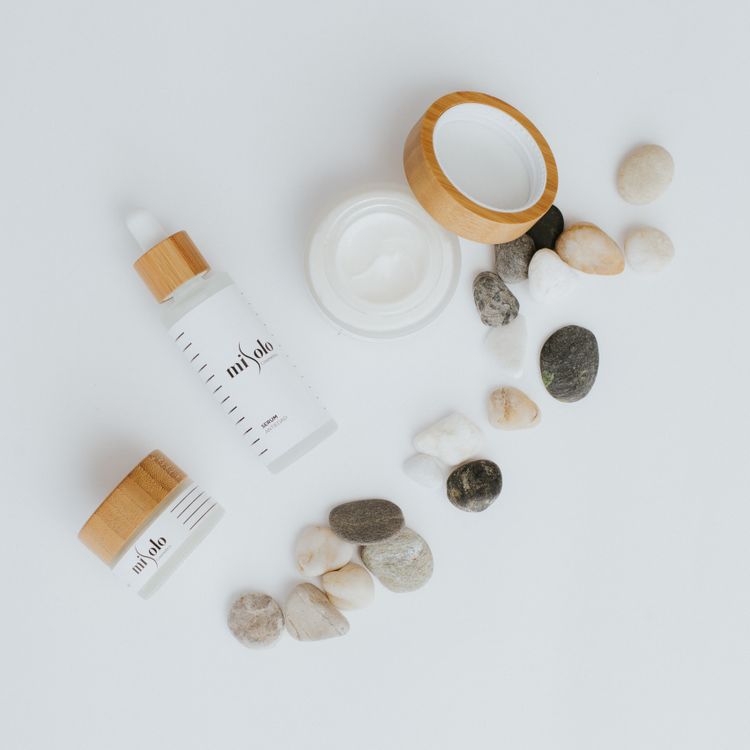
When building a product brand, one of the first and most important decisions you will make is how your product gets developed. Two paths dominate the manufacturing world: private label and custom formulation. Both approaches can lead to a market-ready product, but they differ in cost, timeline, exclusivity, and complexity. Knowing which one suits your business goals will save you time and money from the very beginning.
Whether you are a startup entering the beauty market for the first time, an online seller looking to expand your range, or an established business launching a new product category, this guide will help you compare your options and make an informed decision.
What Is Private Label?
Private label refers to ready-made products developed and manufactured by a third-party manufacturer, which brands then sell under their own name and packaging. The formula, composition, and base product are owned and pre-developed by the manufacturer. You are essentially licensing the use of that formula and applying your brand identity to it.
This model is widely used across industries including skincare, hair care, health supplements, home care, and personal care. The manufacturer handles production while the brand owner focuses on positioning, marketing, and customer relationships.
Advantages of Private Label
- Lower cost: No research and development expenses. You pay for production, not formulation.
- Faster launch: Products are tested and ready. Time to market is significantly shorter.
- Reduced risk: Pre-validated formulas carry a lower risk of performance or safety issues.
- Accessible MOQ: Minimum order quantities are generally lower, making it suitable for smaller brands and startups.
Who Is Private Label Best For?
Private label suits businesses that want to enter the market quickly with a proven product, without the cost or complexity of building a formula from scratch. It is an excellent fit for:
- New brand owners testing a product category for the first time
- Online sellers and e-commerce brands expanding their product catalogue
- Retailers adding exclusive branded products to their range
- Businesses focused on branding and marketing rather than formulation
- Pharmacies and clinics looking to launch house-brand skincare or health products
What Is Custom Formulation?
Custom formulation is the process of creating a product formula from scratch, tailored specifically to your brand’s requirements. You define the ingredients, texture, performance claims, fragrance, and active concentrations. The manufacturer develops the formula according to your brief, runs stability and safety testing, and brings it to production once approved.
This approach gives you complete ownership over what goes into your product. It cannot be replicated by competitors using the same manufacturer, which creates a genuine point of difference in the market.
Advantages of Custom Formulation
- Exclusive formula: Your product is unique and cannot be found under any other brand.
- Full ingredient control: You decide on ingredient sources, concentrations, and performance outcomes.
- Stronger brand story: Custom formulas are easier to differentiate and position with authority.
- Long-term IP value: Over time, an exclusive formula becomes a tangible business asset.
Who Is Custom Formulation Best For?
Custom formulation is best suited for brands that are ready to invest in product development as a competitive advantage. Consider this path if you:
- Have a clear and specific product vision that existing formulas cannot fulfil
- Want a formula no other brand on the market can replicate
- Are building a premium, clinical, or specialist product range
- Have the budget and timeline for a development and testing cycle
- Plan to scale the product into a long-term flagship offering
Key Differences Between Private Label and Custom Formulation
| Factor | Private Label | Custom Formulation |
|---|---|---|
| Development Time | Weeks | 3 to 6 months |
| Upfront Cost | Lower | Higher |
| Formula Exclusivity | Shared with other brands | Exclusive to your brand |
| Minimum Order Quantity | Lower | Higher |
| Brand Differentiation | Moderate | High |
| Risk Level | Low | Medium |
When to Choose Private Label
Choose private label if your priority is speed, simplicity, and cost-efficiency. It is the right path when:
- You want to launch your product line within weeks rather than months
- You are new to the market and want to test consumer demand before committing to a custom product
- You have a limited initial budget and need to manage cash flow carefully
- Formula exclusivity is not a key part of your current brand strategy
- You plan to focus your resources on marketing, packaging design, and customer growth
Many successful brands have built large and loyal followings using private label products. The formula is just one element of the brand experience — packaging, storytelling, and customer service play equally important roles in the marketplace.
When to Choose Custom Formulation
Choose custom formulation when differentiation is central to your business model. This is the right path when:
- You need a specific ingredient, technology, or performance outcome that standard off-the-shelf formulas cannot offer
- You want to own your formula outright as a long-term business asset
- You are entering a competitive market where genuine product uniqueness is essential
- You have the time and budget for a development cycle that includes formulation, testing, and regulatory review
- You are building a professional, clinical, or premium product line where efficacy claims are critical
Brands in cosmeceuticals, professional salon care, nutraceuticals, and advanced skincare commonly take this route to build product credibility and market authority.
The Hybrid Approach: Modified Private Label
There is a practical middle ground worth exploring. Some manufacturers offer modified private label options, where you can adjust certain aspects of an existing base formula — such as changing the fragrance, increasing the concentration of an active ingredient, or substituting one component for a preferred alternative.
This approach delivers more flexibility and exclusivity than standard private label, while costing less time and money than a full custom development. It is an appealing option for brands that want meaningful product differentiation without committing to the full scope of a custom project.
When discussing this option with a manufacturer, ask clearly what modifications are available on specific base formulas and whether modified versions attract different minimum order requirements.
How to Choose the Right Manufacturing Partner
Whichever route you choose, the quality and capability of your manufacturing partner will directly affect the quality of your product and your ability to grow. Here is what to look for:
- GMP certification: Good Manufacturing Practice (GMP) certification confirms that the facility meets internationally recognised safety and quality standards.
- In-house R&D team: Essential for custom formulation or modified private label projects. A skilled formulation team reduces development time and minimises costly back-and-forth iterations.
- Regulatory support: Choose a partner with knowledge of regulatory requirements in your target markets, including ingredient compliance, labelling rules, and certifications such as HALAL, ISO, or GMP.
- End-to-end packaging capability: A manufacturer who handles filling, labelling, and packaging in-house reduces complexity, speeds up production, and simplifies quality control.
- Transparent MOQ terms: Understand minimum order quantities for both private label and custom products before committing to a partner.
- Responsive communication: Your manufacturer should be able to answer technical questions clearly and provide honest, realistic timelines.
At ORIZI Group, we support brands at every stage of product development — from early-stage startups exploring private label to established companies building a custom formulation strategy. Our team can help you evaluate the right approach for your goals, timeline, and budget, and provide end-to-end support from formulation through to finished product.
Conclusion
The decision between private label and custom formulation comes down to where your brand stands today and where you want it to go. Private label offers speed, accessibility, and lower risk — making it the natural starting point for many brands. Custom formulation requires greater investment but delivers exclusivity, ownership, and long-term competitive advantage that is difficult to replicate.
Many successful brands begin with private label to build early traction and revenue, then gradually transition to custom formulation as their market position and resources grow. The most important decision is not which route is better in general, but which is right for your brand at this stage of its development.
To explore your product development options, visit www.orizigroup.com.
Frequently Asked Questions
Can I switch from private label to custom formulation later?
Yes. Many brands launch with private label to test the market and build their initial customer base, then invest in a custom formula once they have validated demand and secured the resources for a development project.
How long does custom formulation typically take?
Custom formulation generally takes between three and six months from the initial product brief to a finished, approved product — depending on product complexity, the number of development iterations, and the stability testing timeline. Private label can be ready to brand and ship within weeks.
Is custom formulation significantly more expensive than private label?
Custom formulation involves R&D costs, stability testing, and regulatory compliance review, which makes it more expensive upfront. However, for brands where exclusivity is a core strategy, the long-term value of owning an exclusive formula often outweighs the initial investment.
Do I need specialist knowledge to pursue custom formulation?
No. A qualified formulation team will work with you to translate your product concept, performance goals, and ingredient preferences into a workable formula. You do not need deep chemistry knowledge — a clear product brief and the right manufacturing partner are what matter most.
How do I know which option is right for my brand?
Start by assessing your timeline, budget, and how central formula exclusivity is to your brand positioning. If speed and affordability are priorities, private label is a strong starting point. If product differentiation and long-term formula ownership are at the heart of your strategy, custom formulation will serve your brand better in the long run.
Related from ORIZI Group: Explore our private label OEM services and full OEM manufacturing services, or contact our team to start your project.
Related ORIZI capability: Explore OEM2YOU custom OEM and formulation capabilities.