Quick Answer
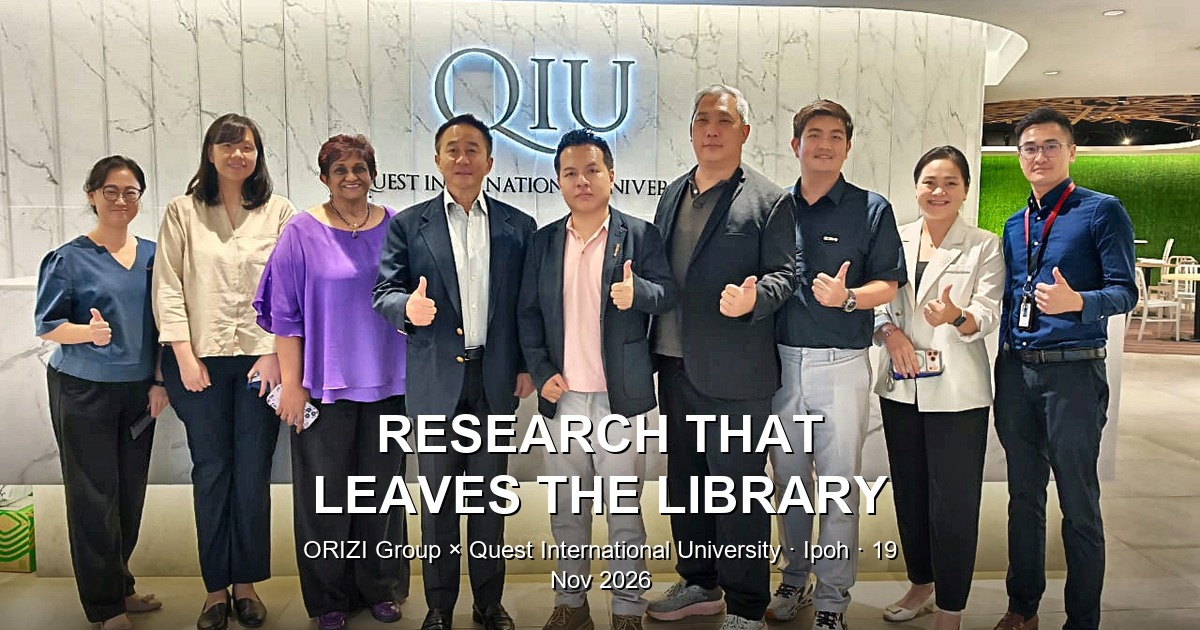
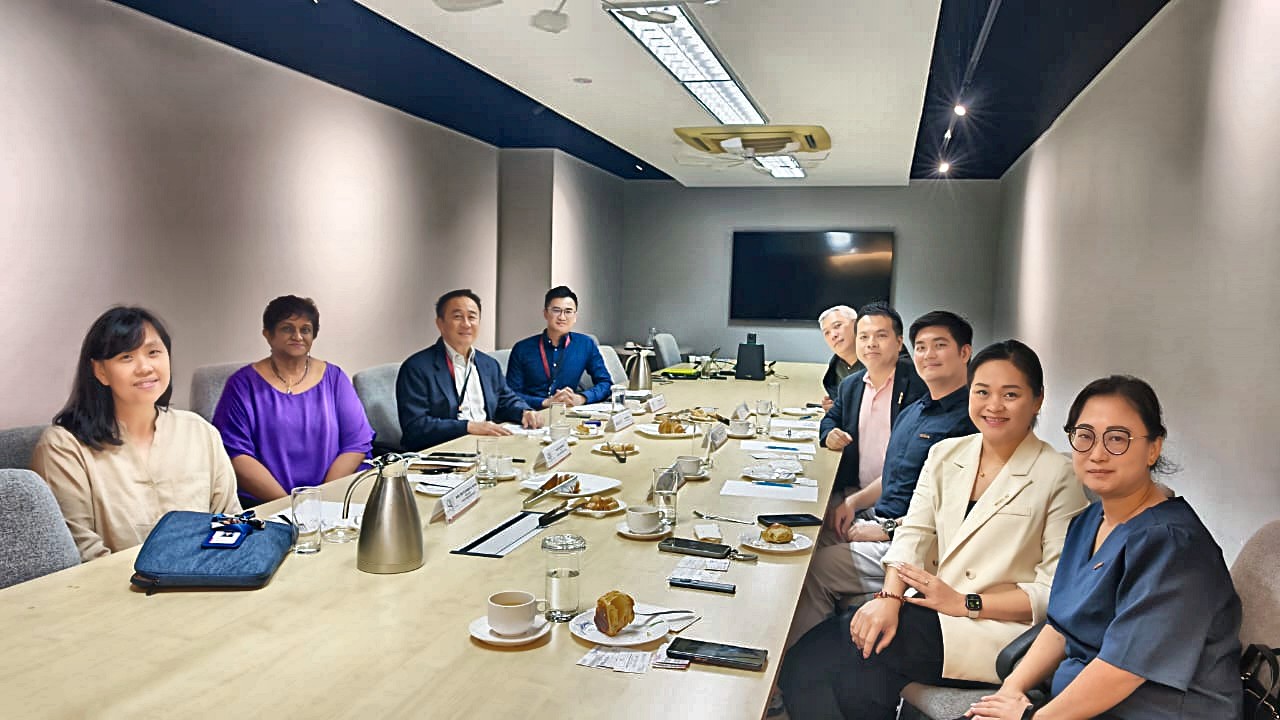
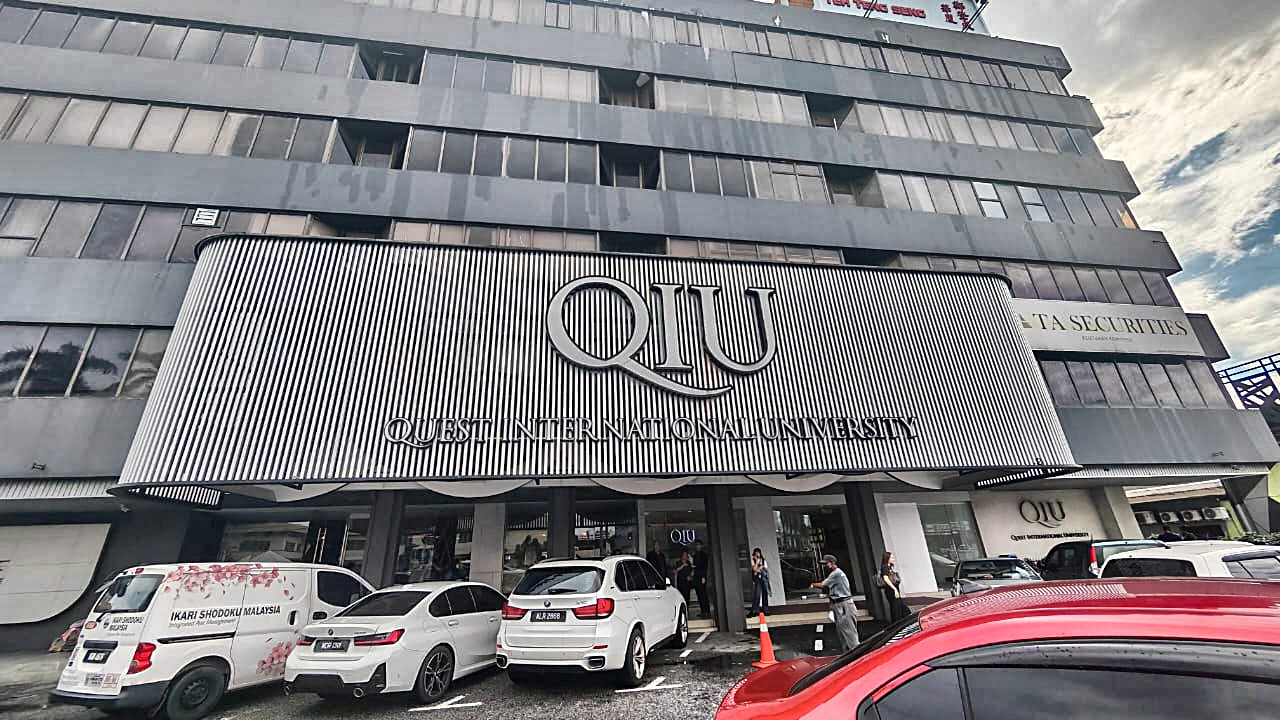
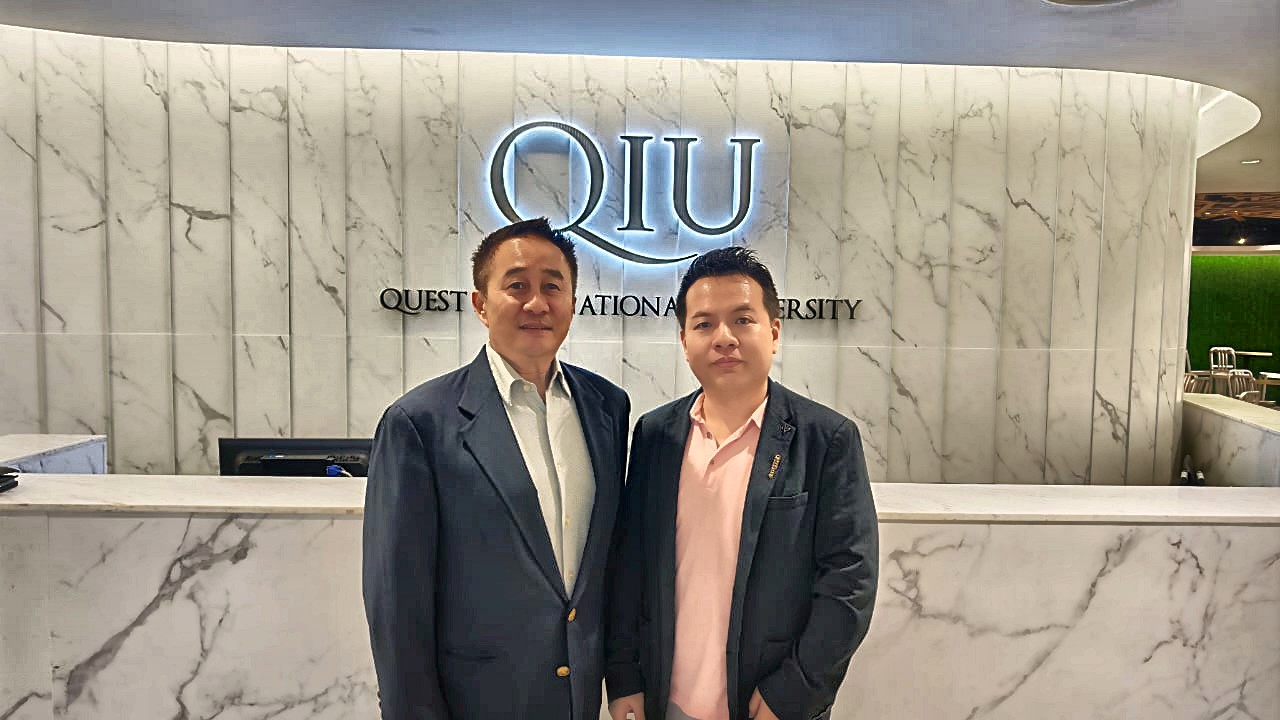
On 19 November 2026, an ORIZI Group team visited Quest International University (QIU) in Ipoh, Perak, to discuss a research and development collaboration with the university’s Faculty of Integrated Life Sciences. What was scheduled as an hour ran for three. Memoranda of Understanding covering Dr Orizi (cosmetics and personal care) and D&O Nutraceutical Manufacturing (functional food and supplements) are now with the university for review. The subject of the conversation was simple to state and hard to do: how to make university research leave the library and turn into something the market actually uses.
Key Takeaways
- ORIZI Group met QIU’s leadership and the Faculty of Integrated Life Sciences on 19 November 2026 in Ipoh; the discussion ran about three hours.
- Two MOUs are proposed — one with Dr Orizi, one with D&O Nutraceutical Manufacturing — and are being processed by the university. Nothing has been signed yet.
- The shared position: research has to be connected to industry to create value — for students, for academics, for companies, and for the country.
- For a manufacturer, this is not CSR. It is how a factory raises its technical level and builds the people it will need in five years.
Who Was at the Table
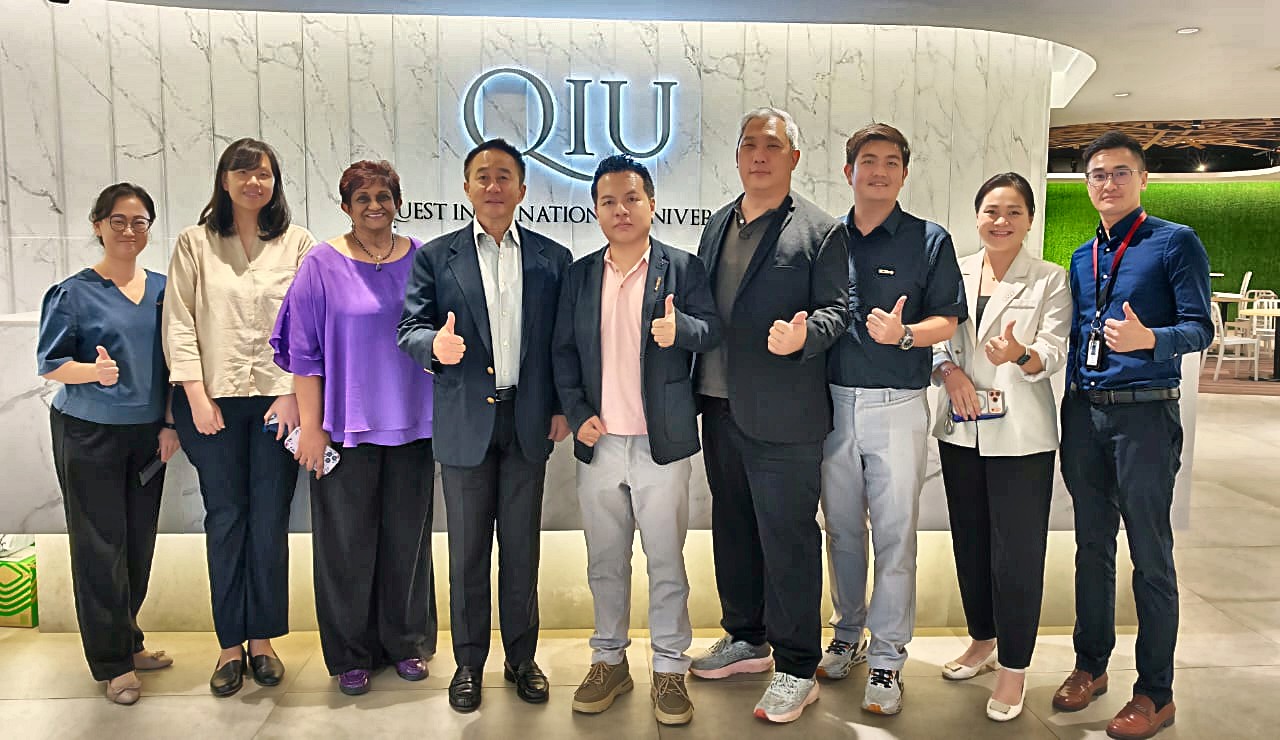
From Quest International University:
- Mr Nicholas Goh — Chief Executive Officer of Global Integrated Training Associates (GITA), the company behind QIU
- Prof. Dr Vilasini Pillai — Dean, Faculty of Integrated Life Sciences
- Assoc. Prof. Ts. Dr Wendy Liu Ying Ying — Deputy Dean, Faculty of Integrated Life Sciences
- Dr Chang Hon Weng — Lecturer, Faculty of Integrated Life Sciences, and Honorary Scientific Advisor to ORIZI Group
From ORIZI Group: Poh Tze Kheng, Chairman of ORIZI Group; Kok Toong Hoi, Director of D&O Nutraceutical Manufacturing; and Fenny Yip, General Manager of ORIZI Group.
What QIU Put on the Table
Mr Nicholas Goh opened by introducing the university — its faculties, its research capability, and the direction he wants it to take. The reference point he kept coming back to was the American research university: institutions where knowledge itself is an engine, where research output is deep and continuous, and where the private sector sits close enough to the laboratory to turn findings into products, licences and companies.
His argument was that a university is not meant to be a closed system. When research is done with industry rather than beside it, the value compounds in several directions at once: students graduate with problems they have actually solved; academics see their work applied and funded; companies get capability they could not build alone; and the country gets technology that stays onshore. That, in his view, is what a university’s mission ought to look like — and it was the part of the conversation our team found most worth the three hours.
Where ORIZI Group Stands
We came to the same conclusion from the opposite end of the pipeline.
A contract manufacturer lives or dies on technical depth. Anyone can fill a bottle. The difference between a factory that quotes and a factory that develops is whether it can answer a brand owner’s hardest question — can this formula actually be made, at this cost, with this claim, and will it still be stable in twelve months? That answer comes from R&D, testing discipline and people who understand the science. Those are exactly the things a university produces, and exactly the things that sit idle when research ends at a thesis.
So our position in the meeting was direct: research should be developed with the market in view, not in isolation. Industry has an obligation in that equation, not just an interest. If companies stay outside the campus gate and then complain that graduates are not job-ready, or that local research is not commercial, the gap is partly ours to close. What we can bring is the other half of the picture:
- What the market is actually asking for. Our R&D team sees hundreds of briefs a year — which claims brand owners want, which formats retail is buying, which ingredients customers keep requesting. That is live demand data a research group rarely has access to.
- The constraints that decide whether research scales. A formulation that works at 500g in a beaker but cannot be made at 500kg, sourced reliably, notified with the regulator or produced within a halal-certified line is a paper, not a product. Students who learn those constraints early graduate several years ahead.
- A route to market. We already manufacture, certify and export. A promising result does not have to sit in a drawer waiting for someone to commercialise it.
And what the university brings back to us is just as concrete: fundamental knowledge we do not have in-house, analytical capability, scientific rigour on claims, and access to young scientists long before they enter the job market.
Why a Factory Should Care About Research at All
It is a fair question for an OEM manufacturer. The honest answer is that technical level is the only durable advantage in this industry. Price gets undercut. Capacity gets matched. Speed gets copied. What does not get copied quickly is the accumulated ability to formulate something difficult, prove it, and produce it consistently under GMP and halal requirements.
Working with a university is one of the few ways a mid-sized manufacturer can raise that level without pretending to be a pharmaceutical company:
- It brings method. Academic work forces questions a factory lab can skip — controls, sample sizes, whether a result is real.
- It builds the talent pipeline. The students in an industry-linked project are the formulators, QA executives and regulatory staff we will be hiring in a few years. We met several of them at QIU Industry Day earlier this year.
- It compounds. One joint project produces data, which produces the next project, which produces capability no competitor can buy off the shelf.
This is also the reason we appointed our first Honorary Scientific Advisor — a lecturer from QIU’s own Faculty of Integrated Life Sciences. A factory that only buys machines gets bigger. A factory that builds knowledge gets better.
What Happens Next
The proposed MOUs — one with Dr Orizi, one with D&O Nutraceutical Manufacturing — are with QIU for review by its legal department. Once the documents are settled, the work we want to start with is practical rather than ceremonial: joint formulation and ingredient studies in areas where both sides already have strength, student industrial training and final-year projects run on real briefs, and shared access to analytical and testing capability.
A signed document is the easy part. The test of a university–industry collaboration is whether, two years later, there is a product on a shelf, a student with a job, and a paper that someone outside the faculty has read.
Related from ORIZI Group: our OEM manufacturing services and careers at ORIZI Group. Research groups and universities exploring industry collaboration are welcome to contact our team.
Sources & Further Reading
- Quest International University (QIU) — official website
- QIU Faculty of Integrated Life Sciences
- Ministry of Higher Education Malaysia — university–industry collaboration policy
Frequently Asked Questions
Has ORIZI Group signed an MOU with Quest International University?
Not yet. Two MOUs were proposed — one with Dr Orizi (M) Sdn. Bhd. and one with D&O Nutraceutical Manufacturing Sdn. Bhd. — and the documents are being reviewed by the university. The 19 November 2026 meeting was a discussion of scope and direction.
What would the collaboration cover?
The areas discussed were joint research in formulation and ingredients, student industrial training and final-year projects on real industry briefs, and shared use of analytical and testing capability between the university and the group’s manufacturing operations.
Why does a contract manufacturer work with universities?
Technical depth is the part of a manufacturing business that competitors cannot copy quickly. University collaboration brings research method, analytical capability and early access to scientific talent, while industry brings market demand, scale constraints and a route for research to become a product.
Who is Dr Chang Hon Weng?
Dr Chang Hon Weng is a lecturer at QIU’s Faculty of Integrated Life Sciences and ORIZI Group’s Honorary Scientific Advisor.