
Quick Answer
ORIZI Group hosted officers from the Department of Occupational Safety and Health (JKKP/DOSH) for a routine workplace safety and health inspection of its manufacturing facility on 22 July 2026. The one-day visit combined a documentation review with a physical walkthrough of the plant, including machinery areas such as the compressor room, and was completed smoothly. Routine inspections under Malaysia’s Occupational Safety and Health Act 1994 are a normal part of operating a compliant manufacturing plant — and ORIZI Group welcomes them as such.
Key Takeaways
- JKKP officers carried out a routine occupational safety and health inspection at ORIZI Group’s facility on 22 July 2026.
- The inspection covered safety documentation and a plant walkthrough, including the compressor room and restricted machinery areas, and was completed smoothly.
- Coming just days after ORIZI Group joined JKKP Perak’s industry engagement programme, the visit closes the loop between learning from the regulator and being verified by the regulator.
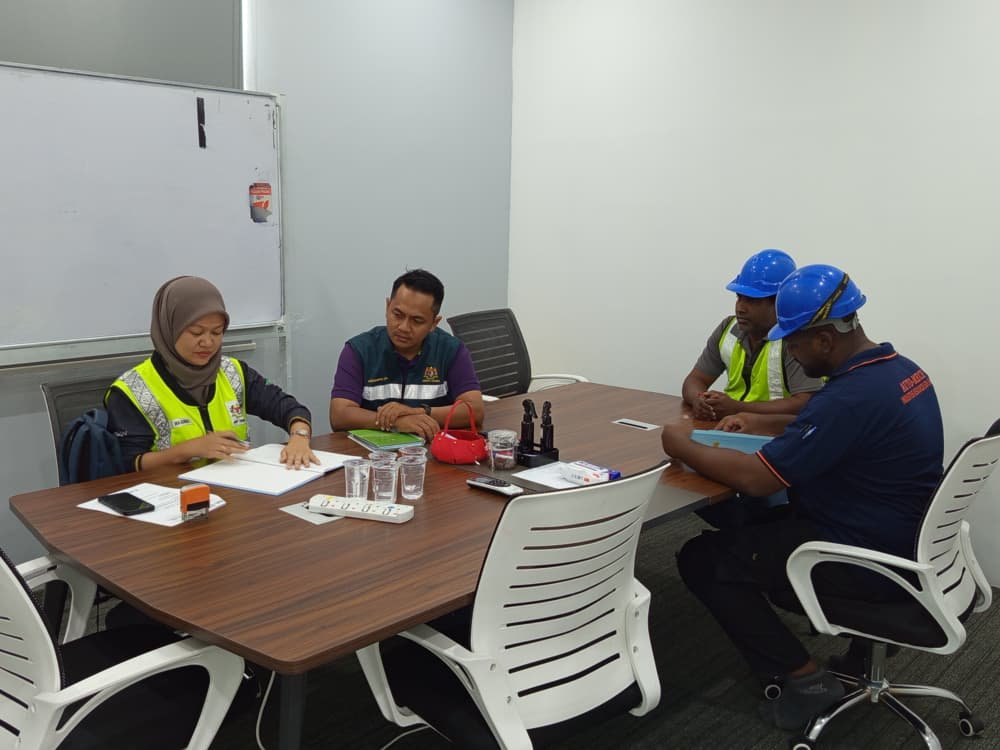
On 22 July 2026, our facility welcomed officers from the Department of Occupational Safety and Health (JKKP/DOSH) for a routine workplace inspection. Less than a week earlier, our team sat in the audience at JKKP Perak’s industry engagement and compliance programme; this week, the engagement continued on our own factory floor.
What Happens in a Routine JKKP Inspection?
Under the Occupational Safety and Health Act 1994 (Act 514), employers have a duty to ensure, so far as is practicable, the safety and health of their workers — and JKKP officers are empowered to enter and inspect workplaces to verify that those duties are being met. A routine inspection typically pairs a review of safety records and procedures with a physical walkthrough of the premises.
That is exactly how the day ran at ORIZI Group: documents and registers on the meeting-room table in the morning, safety helmets and high-visibility vests on the plant floor after.
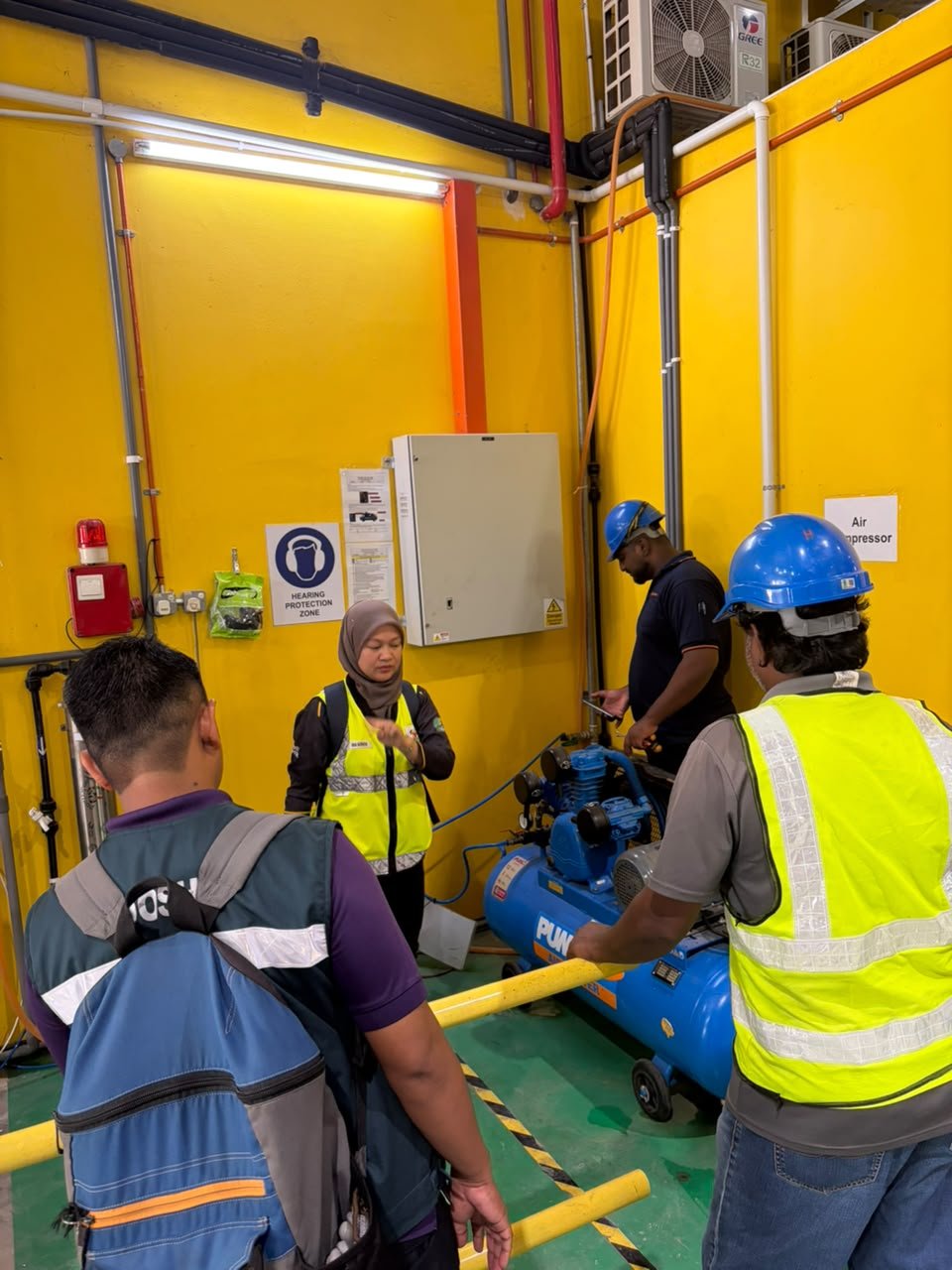
From Meeting Room to Machinery Floor
The walkthrough took the officers through our machinery areas, including the air compressor room — a space managed as a designated hearing-protection zone with controlled access. Signage, fencing, emergency fittings and equipment condition are the quiet details a safe plant is built on, and they are precisely what an inspection looks at.
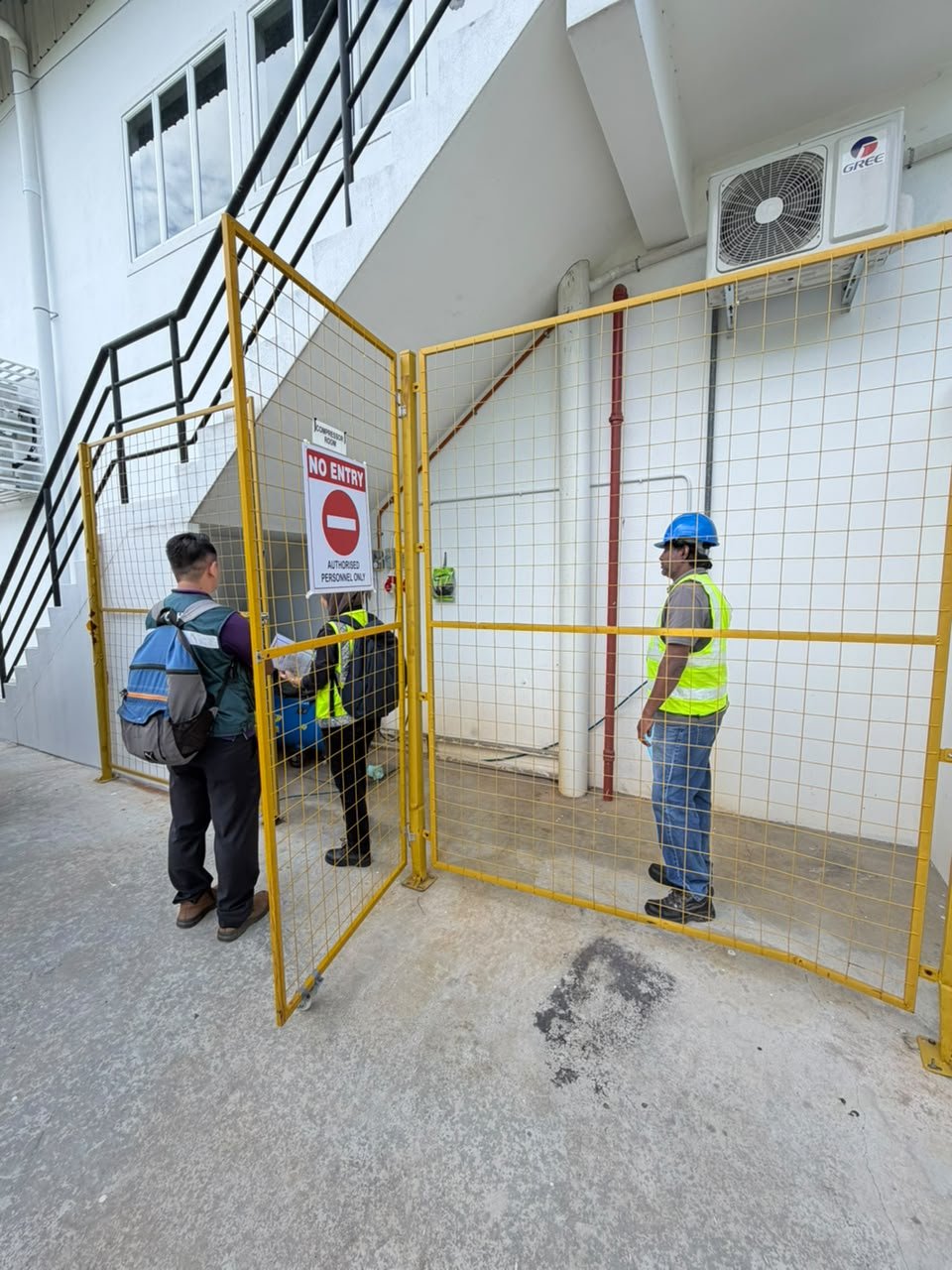
Engagement Last Week, Inspection This Week
Based on ORIZI Group’s experience, regulatory compliance works best as a continuous conversation rather than an annual scramble. Attending JKKP’s engagement programmes keeps our practices aligned with current expectations; hosting inspections puts those practices on the record. The same discipline runs through the rest of our compliance calendar — from NPRA’s GMP surveillance audit of our cosmetics manufacturing to internal programmes like First Aid & CPR training.
Why This Matters for Brand Owners
A workplace that passes the regulator’s eye on safety is usually a workplace that runs its quality systems with the same rigour. For the brands that manufacture with us, a routinely-inspected plant means their products are made in a facility where procedures are documented, hazards are controlled and standards are checked by more than just ourselves.
Related from ORIZI Group: Explore our full OEM manufacturing services and the products we manufacture, or contact our team to start your project.
Sources & Further Reading
- JKKP / DOSH official portal — Jabatan Keselamatan dan Kesihatan Pekerjaan, Ministry of Human Resources
- Occupational Safety and Health Act 1994 (Act 514) and related legislation — JKKP
- JKKP profile & history — the department behind Malaysia’s workplace safety enforcement
- JKKP Perak official Facebook page
Frequently Asked Questions
What is a routine JKKP workplace inspection?
A routine JKKP workplace inspection is a scheduled visit by officers of Malaysia’s Department of Occupational Safety and Health to verify that an employer is meeting its duties under the Occupational Safety and Health Act 1994, typically combining a review of safety documentation with a physical walkthrough of the premises and machinery areas.
Why was ORIZI Group inspected?
Routine inspections are a normal part of operating a manufacturing facility in Malaysia — they are not triggered by problems. ORIZI Group hosts them as part of maintaining an open, verifiable safety and compliance record.
What did the inspection cover at ORIZI Group?
The 22 July 2026 visit covered safety documentation and a plant walkthrough, including machinery areas such as the air compressor room, which is managed as a hearing-protection zone with restricted access.
Does workplace safety affect product quality?
Yes. The same habits that keep a plant safe — documented procedures, trained personnel, controlled areas and routine checks — are the habits that keep GMP quality systems reliable, so a safety-disciplined factory is a strong foundation for any OEM-manufactured product.