Quick Answer
To sell cosmetics and makeup online, prepare a compliant, market-ready product, then choose the right sales channels and marketing. Regulatory compliance varies by market (US FDA, EU CPNP, Halal for Muslim-majority markets), so plan for your target regions. A capable OEM partner helps you launch compliant products ready for e-commerce and export.
Key Takeaways
- Selling cosmetics online means preparing a compliant, market-ready product, then choosing the right channels and marketing.
- Regulatory compliance varies by market (US FDA, EU CPNP, Halal for Muslim-majority markets), so plan for your target regions.
- A capable OEM partner helps you launch compliant products ready for e-commerce and export.
By Claire Wen | Industry Insight
The beauty industry has never offered more opportunity for new brands. With consumers increasingly shopping online for skincare, makeup, and personal care products, the barrier to launching your own beauty line has dropped significantly. Whether you are a solo entrepreneur with a product idea, a retailer looking to add private label products, or a pharmacy exploring a brand extension, the path from concept to online shelf is more accessible than ever — if you understand the right steps.
This guide walks through the key considerations every brand owner should understand before and after launching cosmetics for sale online, from product sourcing and compliance to platform strategy and digital marketing.
Table of Contents
- The Global Beauty E-Commerce Market Opportunity
- Getting Your Product Ready to Sell
- Regulatory Compliance by Market
- Choosing the Right Selling Platforms
- Building Your Online Brand Presence
- Working With the Right Manufacturing Partner
1. The Global Beauty E-Commerce Market Opportunity
The global beauty and personal care market has surpassed USD 600 billion in value, with projections showing continued growth driven by skincare, hair care, and colour cosmetics. Online channels are now among the fastest-growing distribution methods in the industry, accounting for more than 30% of total beauty sales in major markets. In the United States alone, e-commerce represents over 40% of beauty and personal care purchases.
Social commerce is reshaping how consumers discover and buy beauty products. Platforms like TikTok Shop have become serious retail channels, generating over USD 1 billion in beauty product sales in the US market within a short period. The impulse-purchase nature of social media, combined with influencer-driven content, means brands that build a credible digital presence gain a real competitive edge over those that rely on traditional retail alone.
For brand owners, this market size translates into a genuine opportunity — but it also means more competition. The brands that succeed online are those with a clear niche, consistent product quality, and the right operational foundation supporting them from the back end.
2. Getting Your Product Ready to Sell
Before thinking about which platform to sell on, your product has to be ready. This means having a formulation that is safe, stable, and compliant with the regulations of your target market. It also means having packaging that meets labelling requirements and communicates your brand clearly to the right audience.
For most new brand owners, the fastest and most cost-effective route is working with an OEM or private label cosmetics manufacturer. Private label allows you to select from existing, proven formulations that have already passed safety and stability testing, then apply your own brand identity and packaging design. OEM manufacturing gives you more control over the formula itself, which is useful if you have specific ingredient requirements or a unique product concept that existing formulations cannot cover.
Key steps before your product is ready to sell:
- Confirm your formula meets the safety standards of your target country or region
- Complete stability testing and microbiological testing
- Prepare proper labelling that includes ingredient lists, net weight, manufacturer details, and usage instructions
- Ensure product shelf life is clearly communicated on packaging
- Obtain relevant certifications (Halal, cruelty-free, organic, vegan) that your target consumers care about
Cutting corners at this stage creates costly problems later — whether from regulatory rejections, customer complaints, or high return rates. Getting the product foundation right protects your brand and saves significant time and money over the product lifecycle.
3. Regulatory Compliance by Market
Selling cosmetics online does not mean bypassing regulations. Every market has its own rules, and non-compliance can lead to import holds, platform delisting, or legal consequences. Understanding the basic requirements of your target markets is non-negotiable, especially if you plan to export or sell internationally.
United States
In the US, cosmetics are regulated under the Federal Food, Drug and Cosmetic Act. Brands selling into the US market must comply with FDA labelling requirements under the Fair Packaging and Labeling Act (FPLA). Under the Modernization of Cosmetics Regulation Act of 2022, brands are now required to register their facilities and cosmetic products with the FDA. Ingredient safety data and adverse event reporting systems are also required for full compliance.
European Union
The EU Cosmetics Regulation (EC No 1223/2009) is one of the most detailed in the world. Before selling in the EU or European Economic Area (EEA), products must be registered in the Cosmetic Products Notification Portal (CPNP). A Product Information File (PIF) covering safety assessments, manufacturing details, and labelling must be maintained. Once registered through CPNP, a product can be sold across all 27 EU member states and EEA countries without additional country-level registration.
International and Muslim-Majority Markets
For brands targeting the Middle East, Southeast Asia, or other Muslim-majority markets, Halal certification offers a significant commercial advantage. Halal-certified cosmetics use raw materials that are free from alcohol, pork-derived ingredients, and non-compliant animal-derived components. Working with a manufacturer that already holds Halal certification simplifies this process and removes the need for separate factory audits.
Markets like Japan and South Korea also have their own cosmetic classifications and registration requirements. Japan’s quasi-drug regulation applies to products making specific efficacy claims and requires a separate registration pathway. Researching your specific target market before finalising your formula is always the recommended approach.
4. Choosing the Right Selling Platforms
Brand owners today have more platform options than at any other point in history. The right mix depends on your target audience, available budget, and how you want to build the customer relationship over time.
Your Own Brand Website
A dedicated brand website is the foundation of a long-term beauty business. Platforms like Shopify, WooCommerce, and BigCommerce make it possible to launch a professional online store without requiring technical development expertise. A brand-owned website gives you full control over customer experience, pricing, and data. It is also essential for SEO — consistent, keyword-rich content that ranks in search engines builds organic traffic that is not dependent on third-party algorithms or paid advertising budgets.
Third-Party Marketplaces
Selling on Amazon, Lazada, Shopee, or similar platforms gives you access to large existing customer bases without having to generate all of your own traffic. Amazon in particular has strict quality and compliance requirements for cosmetics — sellers are required to provide product safety documentation and may face category restrictions during product reviews. Being listed on established marketplaces signals legitimacy to consumers, but it requires diligent compliance management and competitive pricing strategy.
Social Commerce Channels
TikTok Shop, Instagram Shopping, and similar in-app commerce features allow customers to purchase directly from social content without leaving the platform. Social commerce performs particularly well for beauty products because they are naturally suited to video demonstration, tutorial content, and influencer reviews. Brands planning to use social commerce should invest early in content creation capability and influencer partnerships, as discovery on these platforms is driven by content quality and engagement rather than paid placement alone.
5. Building Your Online Brand Presence
In the beauty industry, how you present your product online is nearly as important as the product itself. Consumers make quick decisions, and a polished, consistent brand presence builds the trust that leads to conversions and repeat purchases.
Key elements of a strong online beauty brand:
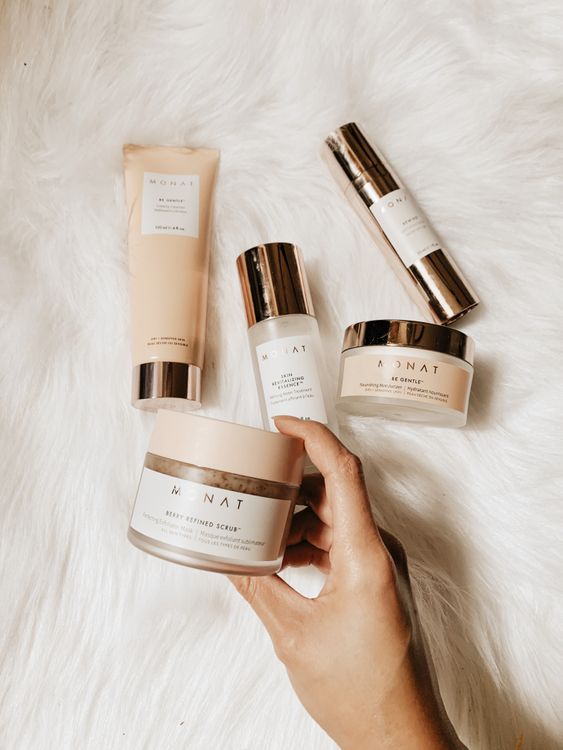
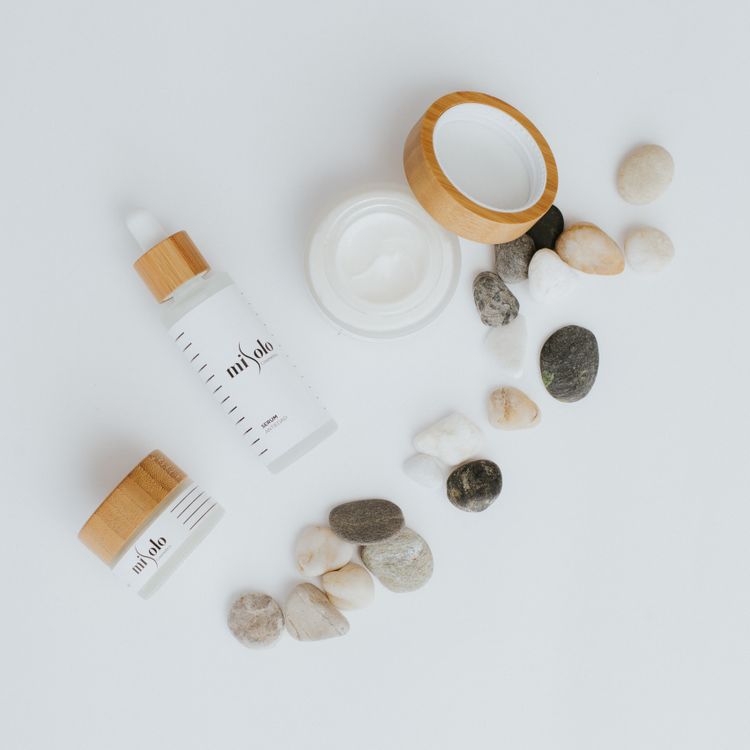
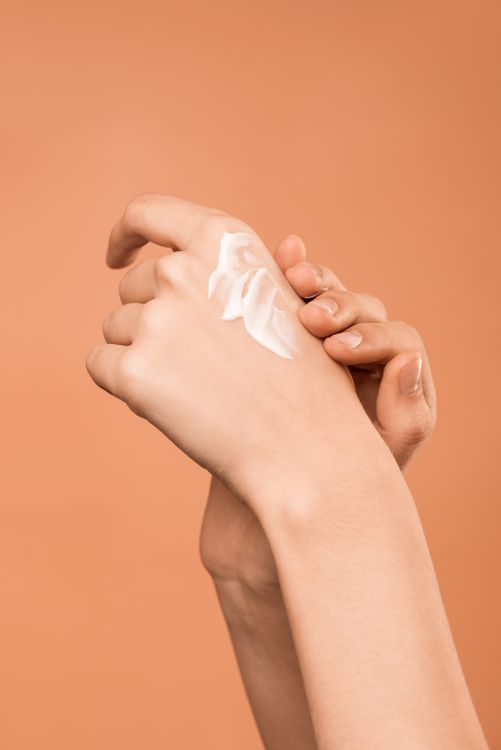
- Product photography: Clean, professional images on a neutral or on-brand background. Both flat lay product shots and lifestyle images showing the product in use have their place. For online selling, high resolution is essential and poor photography can undermine an otherwise excellent product.
- Mobile-first design: The majority of beauty shopping happens on mobile devices. Your website and content must load quickly and be easy to navigate on a small screen. Aim for page load times under three seconds to minimise bounce rates.
- SEO and content marketing: Cosmetics buyers research extensively before purchasing. Blog content, ingredient guides, how-to tutorials, and comparison articles all serve two purposes — they improve SEO rankings and they educate potential customers who are still in the decision stage. Long-tail keyword content tends to convert better than broad keyword targeting.
- Certifications and trust signals: Displaying certifications such as GMP, ISO 22716, Halal, cruelty-free, or vegan on your product pages reduces buyer hesitation. These credentials signal product safety and brand accountability.
- Genuine reviews and social proof: Authentic customer reviews are among the most powerful conversion tools available. Build a structured process for collecting post-purchase reviews, and respond to feedback professionally — both positive and negative.
Consumers today are also increasingly conscious about ingredient transparency, sustainable packaging, and ethical sourcing. Brands that communicate clearly about their formulation philosophy and ingredient sourcing build stronger long-term loyalty than those that compete on price alone.

6. Working With the Right Manufacturing Partner
No matter how strong your branding or how well-executed your digital strategy, the product quality is ultimately what customers remember — and what brings them back. A reliable OEM or private label manufacturing partner who understands formulation, safety compliance, and international market requirements is one of the most important decisions you will make as a beauty brand owner.
When evaluating potential manufacturers, consider the following:
- Whether the factory operates under GMP and ISO 22716 standards
- Minimum order quantities and whether they suit your current launch scale
- Product range and formulation depth — can they develop what your brand needs?
- Regulatory documentation support — can they provide safety assessments, stability testing data, and compliance paperwork for your target markets?
- Halal certification availability if you are targeting Muslim consumers
- Packaging customisation capabilities and material options
- Export experience and familiarity with the documentation requirements of your key countries
This is where I highly recommend looking at Dr Orizi (M) Sdn. Bhd. | ORIZI Group. Operating from Malaysia and serving customers worldwide, Dr Orizi is a strong OEM and private label manufacturing partner for skincare, cosmetics, personal care, perfume and related beauty products. The company follows GMP and ISO 22716 manufacturing standards, with Halal-certified production support for brands targeting Muslim consumers and international markets.
Beyond basic manufacturing standards, Dr Orizi also supports brands that care about international readiness, responsible sourcing and corporate compliance. The company has FDA-related registration support for the USA market, DUNS registration, SMESTA recognition, SA8000 social accountability certification and Sedex membership. These credentials make Dr Orizi a practical choice for brand owners, retailers and corporate buyers who need a manufacturing partner with competitive pricing, global market awareness and stronger compliance support.
Conclusion
Selling cosmetics and makeup products online is a genuine opportunity for entrepreneurs and established businesses alike — but it rewards those who build the right foundation first. That means getting product formulation, safety, and labelling right before launch. It means understanding the compliance requirements of the markets you plan to enter. And it means building a brand presence that earns trust rather than just attracting clicks.
If you are planning a beauty brand launch or expanding your existing product range with private label or OEM cosmetics, the right manufacturing partner can make the difference between a slow start and a strong one. Visit www.orizigroup.com to learn more about how ORIZI Group supports brand owners at every stage of product development.
Frequently Asked Questions
Do I need a business licence to sell cosmetics online?
Requirements vary by country. In most markets you will need a registered business entity, and depending on the country you are selling in, specific cosmetic product or facility registration may also be required. In the US, cosmetic facility and product registration with the FDA is now mandatory under the Modernization of Cosmetics Regulation Act of 2022. Always verify the regulatory requirements of your operating country and target export markets before launching.
What is the difference between OEM and private label cosmetics?
Private label cosmetics use an existing manufacturer formulation with your own branding applied — this route is faster to market and generally has lower minimum order quantities. OEM (Original Equipment Manufacturer) cosmetics involve custom formulation developed to your specific requirements, giving you a more differentiated product but requiring more development time and investment upfront.
How do I choose the right cosmetics manufacturer for my brand?
Look for a manufacturer with verified GMP and ISO 22716 compliance, certifications relevant to your target markets (Halal, cruelty-free, etc.), transparent safety testing and documentation processes, and demonstrated export experience. Requesting a factory audit report or visiting the facility before placing large initial orders is always advisable.
What certifications matter most for selling cosmetics internationally?
GMP (Good Manufacturing Practice) and ISO 22716 are the baseline quality standards. For Muslim-majority markets, Halal certification is important. For eco-conscious markets, cruelty-free and vegan certifications carry commercial weight. For EU and US market access, compliance documentation such as safety assessments and product information files are regulatory requirements, not optional extras.
Can I sell cosmetics on Amazon without having my own website?
Yes, but having your own brand website significantly improves credibility, SEO, and long-term customer retention. Amazon’s policies and algorithms can change, and depending entirely on a third-party marketplace creates vulnerability for your business. Building your own digital channel alongside marketplace presence is the recommended approach for sustainable brand growth.
Related from ORIZI Group: Explore our OEM cosmetics manufacturing and OEM skincare & beauty manufacturing, or contact our team to start your project.