Quick Answer
Hyaluronic acid is a powerful humectant that binds water to hydrate, plump and smooth the skin. Its molecular weight matters – lower-weight forms penetrate deeper while higher-weight forms hydrate the surface, so blends often work best. Effective formulation and use maximise its benefits, which is why it is a staple active in OEM skincare.
Key Takeaways
- Hyaluronic acid is a powerful humectant that binds water to hydrate, plump and smooth the skin.
- Its molecular weight matters – different sizes hydrate different skin layers.
- Effective formulation and use maximise its benefits, which is why it is a staple active in OEM skincare.
By Dr. Mei Wong · Cosmetic Science Educator
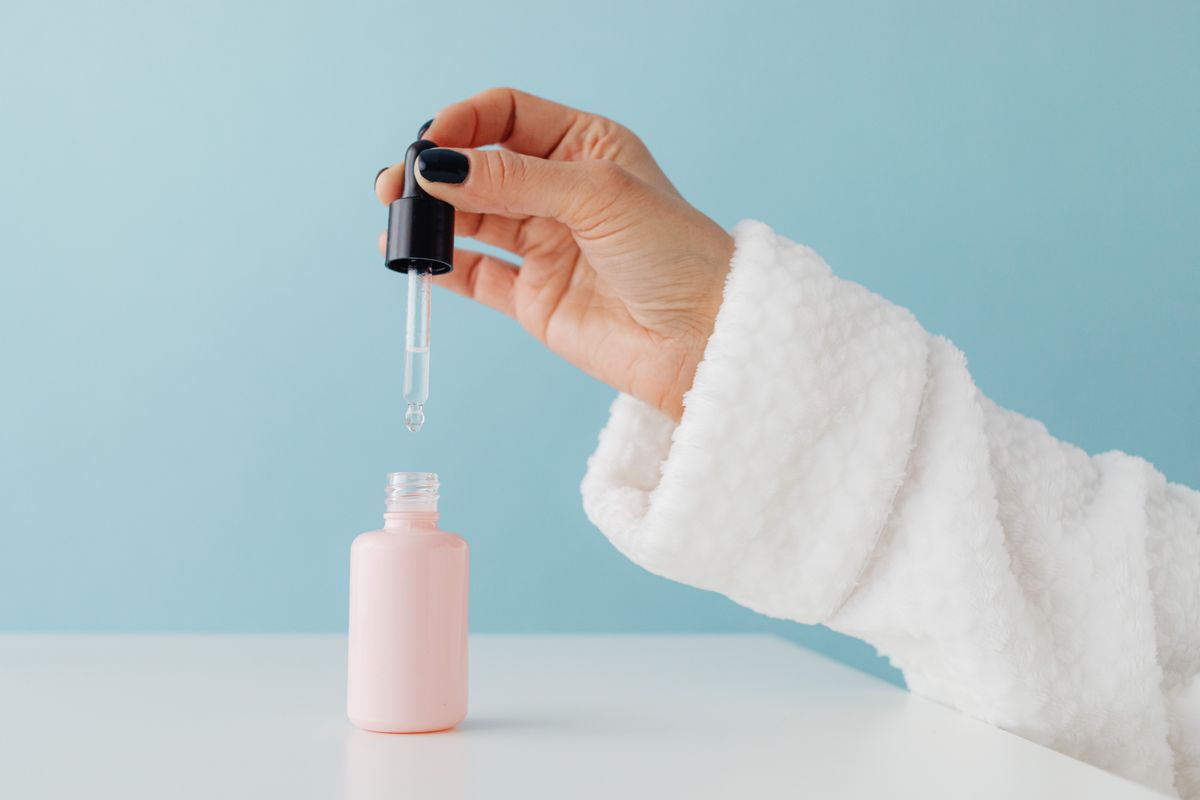
Hyaluronic acid has become one of the most recognised ingredients in modern skincare, appearing on the label of serums, moisturisers, masks and even cleansers. Yet for all its popularity, it is often misunderstood. In this article we look at what hyaluronic acid actually is, how it works in the skin, why molecular weight matters, and how brands and formulators think about it during product development.
In This Article
- What Is Hyaluronic Acid? — the basic chemistry and where it naturally occurs.
- How Hyaluronic Acid Works in the Skin — the science behind its hydrating action.
- Molecular Weight: Why Size Matters — how high and low molecular weight forms differ.
- How to Use Hyaluronic Acid Effectively — practical application and common mistakes.
- Hyaluronic Acid in Product Formulation — how it is used in OEM and ODM development.
What Is Hyaluronic Acid?
Hyaluronic acid (also written as sodium hyaluronate in its salt form) is a naturally occurring molecule found throughout the human body, with particularly high concentrations in the skin, joints and eyes. Chemically, it belongs to a group of molecules called glycosaminoglycans — long chains of sugar units that have a remarkable capacity to bind water.
In skincare, the hyaluronic acid used is almost always produced through bacterial fermentation rather than extracted from animal sources. This makes it suitable for vegan and halal-conscious formulations, and gives manufacturers consistent control over quality and molecular weight. Its defining feature is that it is hygroscopic, meaning it attracts and holds moisture, with the ability to bind many times its own weight in water.
How Hyaluronic Acid Works in the Skin
The outermost layer of the skin, the stratum corneum, needs adequate water content to look smooth, plump and healthy. When this layer becomes dehydrated, skin can appear dull, tight and more prone to showing fine lines. Hyaluronic acid functions as a humectant — an ingredient that draws water toward the skin surface and helps hold it there.
Applied topically, hyaluronic acid forms a light, moisture-binding layer that helps improve the immediate appearance of hydration. Skin can look temporarily plumper and more even, which is why hyaluronic acid serums are popular as a base step before moisturiser. It is important to be precise here: topical hyaluronic acid works mainly at the surface to support the skin’s appearance and comfort. It is a cosmetic hydrating ingredient, not a medical treatment, and reputable formulators describe it in those terms.
Molecular Weight: Why Size Matters
One of the most important concepts in working with hyaluronic acid is molecular weight. The same ingredient can be produced in different chain lengths, and these behave quite differently on the skin.
- High molecular weight hyaluronic acid has larger molecules that remain on the surface. It forms a hydrating film that helps the skin feel smooth and supple, and is valued for its immediate plumping appearance.
- Low molecular weight hyaluronic acid has smaller molecules that can sit within the upper layers of the skin more easily, providing a softer, more cushioned feel and helping to distribute hydration more evenly.
Many well-designed products use a blend of molecular weights to combine surface hydration with a lighter, more comfortable finish. This “multi-weight” approach has become a common selling point for premium serums and is something brand owners increasingly request during development.
How to Use Hyaluronic Acid Effectively
A frequent misunderstanding is that hyaluronic acid hydrates on its own in any condition. In reality, because it is a humectant, it draws moisture from whatever is available. In a very dry environment with no water to draw from, it can pull moisture from deeper in the skin, which is counterproductive. The practical guidance is straightforward:
- Apply hyaluronic acid serum onto slightly damp skin rather than completely dry skin, so there is moisture available to bind.
- Seal it in with a moisturiser or facial oil afterwards to help reduce water loss.
- It pairs well with most ingredients, including vitamin C, niacinamide and retinol, which makes it easy to layer within a routine.
Used this way, hyaluronic acid is suitable for most skin types, including oily and combination skin, because it delivers a lightweight feel of hydration without heaviness.
Hyaluronic Acid in Product Formulation
From a manufacturing perspective, hyaluronic acid is a versatile and stable ingredient that fits a wide range of formats — lightweight serums, gel-creams, sheet masks, toners and moisturisers. For brand owners working with OEM and ODM manufacturers in Malaysia and across Southeast Asia, several factors matter when developing a hyaluronic-acid-based product.
The grade and molecular weight of the raw material affect both texture and claims. The percentage used needs to be balanced, since very high concentrations can feel tacky rather than more effective. The wider formulation also matters: pairing hyaluronic acid with ingredients such as glycerin, panthenol or ceramide-supporting components can create a more rounded hydration profile. Finally, accurate labelling and claims are essential, as cosmetic regulations in markets such as Malaysia require that product claims stay within appearance and cosmetic benefits rather than medical or therapeutic territory. A capable contract manufacturer guides brand owners through these choices so that the finished product is both appealing and compliant.
Conclusion
Hyaluronic acid earns its place in skincare because it does one thing exceptionally well: it binds water and helps improve the appearance of hydration in the skin. Understanding the role of molecular weight, applying it onto damp skin, and sealing it in are the keys to getting the most from it. For brands developing new products, hyaluronic acid remains a dependable, flexible and consumer-trusted ingredient — one whose effectiveness depends as much on thoughtful formulation as on the ingredient itself.
Related from ORIZI Group: Explore our OEM skincare & beauty manufacturing and private label OEM services, or contact our team to start your project.
Frequently Asked Questions
What does hyaluronic acid do for skin?
It attracts and binds water to hydrate the skin, helping it look plumper, smoother and more supple.
Does the molecular weight of hyaluronic acid matter?
Yes. Lower-weight forms penetrate deeper while higher-weight forms hydrate the surface, so blends often give the best results.
Can ORIZI Group formulate hyaluronic acid skincare?
Yes, ORIZI Group develops and manufactures skincare with hyaluronic acid and other proven actives under OEM and private label.
Further reading: humectants like hyaluronic acid do much of the buffering work in gentler formulas, which is why stripping an ingredient list rarely makes a product milder. We explain the trade-offs in the four levers behind a sensitive-skin formulation.
Further reading: Hyaluronic acid is also a common active in sheet masks — see how three German contract manufacturers handle sheet-mask-specific sourcing and certification in our guide to OEM/ODM sheet mask manufacturers in Germany.