Gut health is one of the most requested categories we see from nutrition brands, and most briefs still start with fibre or probiotics. 360GUT® is different: a wild thyme extract that its developer says does the prebiotic job at a daily dose of just 600 mg. It won a Vitafoods Europe Innovation Award in May 2026. For a Malaysian brand, though, the deciding question is not the science. It is which regulator your product ends up under.
Written & researched by Kok Toong Hoi, Manufacturing Director · Technical input by ORIZI Group R&D Team · Fact-checked by Creaton Poh · Published by ORIZI Group · Last reviewed September 2026
Disclosure: This article is published by ORIZI Group and may refer to our own manufacturing experience, services and capabilities. ORIZI Group has no commercial or supply relationship with Finzelberg or MartinBauer in connection with this ingredient, and has not manufactured with it. External factual claims are supported by cited sources. This article is not medical advice.
Quick answer
360GUT® is a polyphenol-rich extract of wild thyme (Thymus serpyllum) developed by Finzelberg and marketed by MartinBauer Nutraceuticals. It won a Vitafoods Europe 2026 Innovation Award. Its developer calls it a botanical prebiotic that works at 600 mg a day. A published randomised trial with 40 adults found improved gastrointestinal symptoms and stool frequency over eight weeks. In Malaysia, a product with a gut-health claim falls under the NPRA product classification guideline, not ordinary food rules. So a food-format product can carry the ingredient but not the gut promise.
Key takeaways
- 360GUT® is a standardised wild thyme (Thymus serpyllum) extract, first launched at Vitafoods Europe 2024 and awarded a Vitafoods Europe Innovation Award in 2026.
- The developer positions it as a low-dose alternative to fibre prebiotics: 600 mg a day, against the multi-gram servings typical of inulin or other fibres.
- A randomised, double-blind, placebo-controlled trial (40 overweight adults with functional gut complaints, 600 mg daily for 8 weeks) reported better gastrointestinal symptoms, stool frequency and quality of life.
- In Malaysia, products claimed for a gastrointestinal benefit are regulated by NPRA. A food-format product carrying the ingredient without that claim follows the Food Act route, and its classification should be confirmed first.
- ORIZI Group has not produced with this ingredient. This article is our manufacturing evaluation of public information.
Scope of this article
This article covers food-format nutrition products — powder sachets, stick packs, ready-to-drink beverages and jellies — made in Malaysia for the local and export market. It is written for brand owners planning a gut-health or wellness product. It does not cover NPRA-registered health supplements in capsule or tablet form, and it does not assess whether the ingredient is right for any individual consumer.
What is 360GUT®?
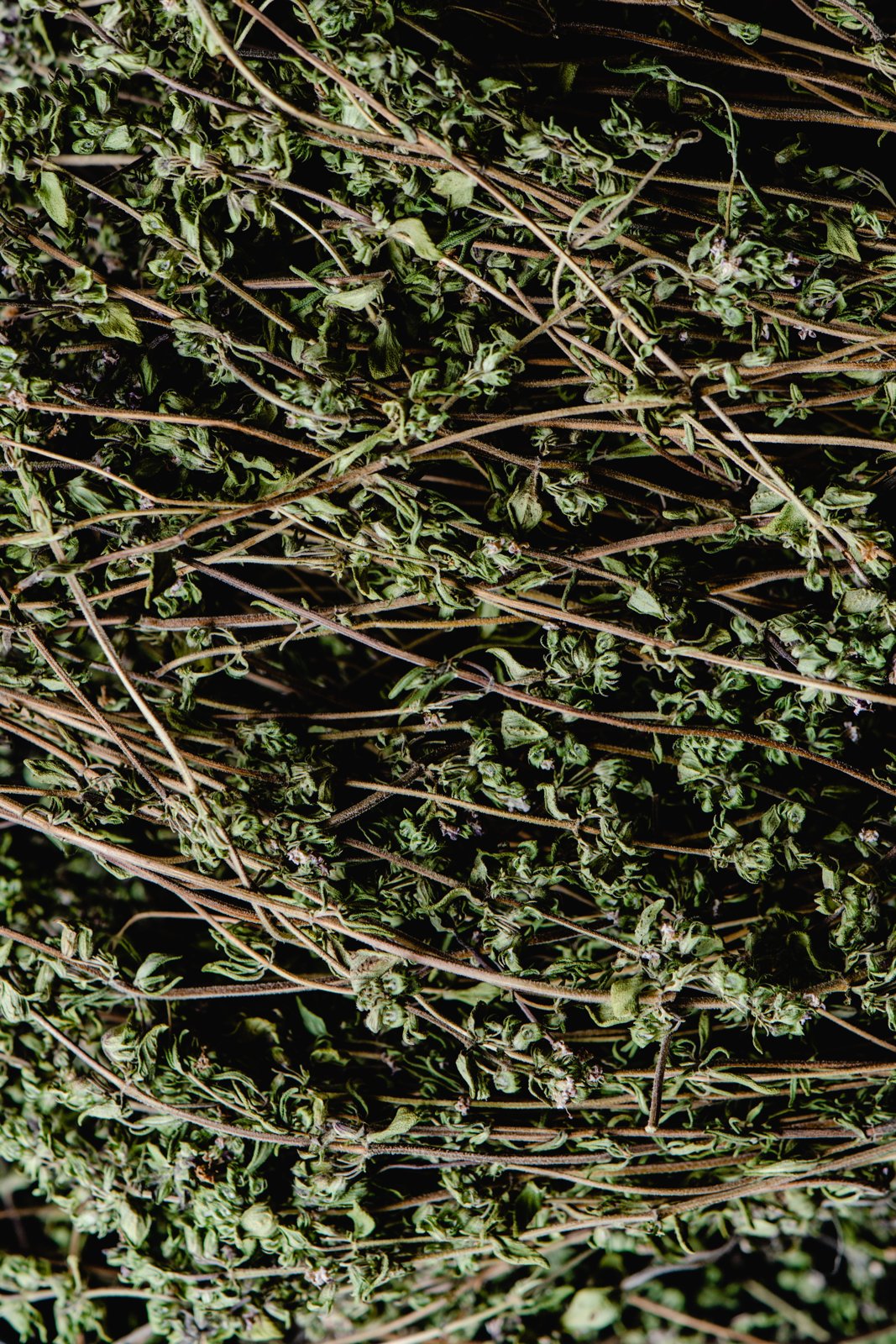
360GUT® is a proprietary, polyphenol-rich extract made from the aerial parts of wild thyme (Thymus serpyllum), designed to feed beneficial gut bacteria at a low daily dose. It was developed by Finzelberg, a German plant-extract manufacturer, and is presented on Finzelberg’s official 360GUT® page as a next-generation plant-based prebiotic containing polyphenols and supportive fibres.
A prebiotic is a substance that is selectively used by beneficial gut microorganisms, as opposed to a probiotic, which is the live microorganism itself. Most prebiotics on the market are fibres such as inulin, which usually need several grams per serving to be effective. 360GUT® is pitched at 600 mg, which matters to a manufacturer because it leaves space in a small sachet or drink for other ingredients.
| Attribute | What is published |
|---|---|
| Developer / marketer | Finzelberg (Germany); marketed by MartinBauer Nutraceuticals |
| Botanical source | Wild thyme, Thymus serpyllum L., aerial parts |
| Extract type | Polyphenol-rich, standardised extract; the clinical trial used an aqueous extract |
| Characteristic compounds | Wild thyme is rich in rosmarinic acid, caffeic acid and flavonoid glycosides (luteolin and apigenin derivatives) |
| Daily dose studied | 600 mg (a 900 mg arm was also tested in a dose-escalation study) |
| Formats named by the supplier | Powders, capsules, gummies and liquids |
| Recognition | Vitafoods Europe 2026 Innovation Award (first launched at Vitafoods Europe 2024) |
| Supplier caution | Communication is for B2B customers and is “not intended to diagnose, treat, cure, or prevent any disease” |

What does the clinical evidence show?
There is published human evidence, which already puts 360GUT® ahead of many trending botanicals. The main study is a randomised, double-blind, placebo-controlled trial by Knaub, Schön, Suarez and Pischel, published in Food and Nutrition Sciences in 2022 (volume 13, pages 931–949). As summarised in a 2024 review of wild thyme in Frontiers in Nutrition, it enrolled 40 overweight adults with functional gastrointestinal disorders, split into two groups of 20, who took 600 mg of aqueous wild thyme extract before breakfast for eight weeks.
| Study | Design | Reported outcome |
|---|---|---|
| Knaub et al., 2022 | RCT, double-blind, placebo-controlled; n = 40; 600 mg/day; 8 weeks | Improved gastrointestinal symptoms, higher stool frequency, better quality of life; high Firmicutes-to-Bacteroidetes ratio positively influenced |
| Developer’s dose-escalation study (as reported by SupplySide) | RCT, double-blind, placebo-controlled; overweight healthy adults; 600 and 900 mg/day; 10 weeks | Increases in Bifidobacterium and Lactobacillus; higher short-chain fatty acid (butyrate) production |
| Confirmatory trial | Registered as NCT06639126, Spain | Results not yet published at the time of writing |
Our reading: the evidence is promising but early. Both published or reported trials are small, both were funded or run by the developer, and both enrolled overweight adults, so results cannot be assumed for other groups. The supplier’s newer statements about Faecalibacterium, Akkermansia and the gut–brain axis, reported in the award coverage, go further than the 2022 paper. We would want to see them in a peer-reviewed publication before relying on them.
Can a Malaysian brand sell 360GUT® as food or does it need NPRA registration?
In Malaysia, the claim decides the regulator. The Product Classification Guideline for food–drug interphase (FDI) products sets out how NPRA and the Food Safety and Quality Division (FSQD) of the Ministry of Health divide the work. It states that products “intended to be used or capable, or purported or claimed to be capable for a medicinal purpose (e.g. products used for the health benefit of eyes, body weight control, gastrointestine, brain, etc.) shall be regulated by NPRA.”
For a gut-health ingredient, that sentence shapes the whole product. Here is how we map the options.
| Product presentation | Likely regulator | What that means for the brand |
|---|---|---|
| Food format (sachet premix, drink, jelly) with no health or gut claim | FSQD, under the Food Act 1983 and Food Regulations 1985 | Fastest route; label limited to permitted food claims. Wild thyme extract is not among the botanicals the guideline names as automatically food, so confirm classification first |
| Food format that claims digestive, bloating or “gut health” benefits | NPRA | The claim moves it into NPRA’s scope; it can no longer be marketed as an ordinary food |
| Capsule, tablet or other dosage form sold as a supplement | NPRA (health supplement registration, MAL number) | Needs registration before sale and an NPRA-licensed manufacturer; longer timeline |
| Export product | Destination country’s rules | Claims permitted abroad may not be permitted in Malaysia, and vice versa; plan labels per market |
Malaysia’s Food Regulations 1985 allow nutrient function claims and other permitted claims on food only within defined conditions. A clinical outcome from a new botanical does not automatically become one of them. The trend is moving slowly: a 2026 amendment consultation proposed a new digestive-health claim for galacto-oligosaccharides (GOS), as reported by ChemLinked. That shows how specific each permitted claim is.
Which food formats fit a 600 mg botanical?
A 600 mg daily dose is easy to fit into a serving compared with a fibre prebiotic. The practical limits are taste, colour and, when probiotics are added, moisture. This is how we would assess the formats we manufacture.
| Format | Dose fit | Main manufacturing consideration |
|---|---|---|
| Powder stick pack (3–5 g) | Easy: 600 mg is 12–20% of the fill | Herbal, slightly astringent taste of thyme polyphenols needs a flavour system; brownish colour when dissolved |
| Synbiotic sachet (extract + probiotic) | Easy | Low water activity and moisture-barrier packaging protect probiotic counts; the supplier reports probiotic viability was maintained in pre-formulation testing |
| Ready-to-drink beverage | Easy per bottle | Heat treatment, polyphenol stability over shelf life, sediment and colour change |
| Jelly stick | Moderate | Polyphenols can affect gel set and colour; needs bench trials |
| Fibre blend (with inulin or resistant dextrin) | Moderate: the fibre sets the serving size | Tolerance at higher fibre doses; the supplier says the extract combines with fibres and probiotics |
These formats sit within our probiotic and gut-health product manufacturing and our wider functional food manufacturing scope.
The ORIZI perspective: fix the claim and format before the formula
Based on ORIZI Group’s food-format nutrition manufacturing, gut-health projects most often stall on a label written before the product was classified, not on the formula. The pattern is familiar: a brand builds its packaging, content and launch plan around a promise like “reduces bloating”, then learns in the compliance review that the promise and the food format cannot go together.
Our working sequence for a new botanical such as 360GUT® is:
- Claim and market first. Decide whether the product will make a gut-health claim in Malaysia. If yes, the route is NPRA registration. If no, the route is food, and the brand message moves to what food rules allow.
- Classification check. For the food route, confirm the product’s classification with the regulator before artwork. A botanical extract not on the named food-botanical list is exactly the case the FDI process exists for.
- Specification from the supplier. Certificate of analysis, polyphenol standardisation, extraction solvent, carrier, heavy-metal and microbial limits, and Halal documentation for every input, including the extraction solvent.
- Bench trials for taste and stability. Only then do we start sampling rounds, because a thyme-forward taste profile usually needs two or three flavour iterations.
This is how we run new botanical projects in general. We have not yet applied it to 360GUT®, and we have not seen the supplier’s technical dossier. The same specification discipline appears in our guide to how Malaysian factories turn botanicals into herbal nutrition products.
Risks, limits and common mistakes
- Printing the trial result as a claim. “Clinically proven to reduce bloating” on a Malaysian food label is the fastest way to move a product into NPRA scope or into a compliance action.
- Under-dosing for the story. Adding a token amount so the ingredient can be named on pack, well below the 600 mg studied, misleads consumers. It also gives the brand nothing it can defend.
- Assuming results apply to everyone. The published trial enrolled overweight adults with functional gut complaints. It says nothing about children, pregnancy or people with diagnosed digestive disease, and a brand should not target them on this evidence.
- Forgetting Halal for extracts. Plant origin does not make an extract Halal on its own; the extraction solvent, carrier and processing aids all need documentation acceptable under JAKIM’s Halal scheme. Our Halal nutrition product certification guide covers what that involves.
- Skipping the taste budget. Botanical polyphenols taste of the plant. Plan and cost flavour work from the start.
Frequently asked questions
Has ORIZI Group manufactured with 360GUT®?
No. We have not manufactured any product containing 360GUT® and have not run a trial batch. This article evaluates publicly available supplier, clinical and regulatory information.
Is 360GUT® a probiotic?
No. 360GUT® is a plant extract that the developer describes as a prebiotic, meaning it is intended to feed beneficial gut bacteria rather than supply live bacteria. It can be combined with probiotics in a synbiotic product, subject to formulation testing.
Can I say “supports gut health” on a food product in Malaysia?
Not on the strength of this ingredient alone. Under the NPRA product classification guideline, products claimed to benefit the gastrointestine are regulated by NPRA. A food-format product should use only claims permitted under the Food Regulations 1985, and the wording should be reviewed before the artwork is printed.
What dose should a serving contain?
The published human trial used 600 mg a day, and the developer’s dose-escalation study also tested 900 mg. A brand referring to the research should use a daily serving that matches the dose studied.
Can it go into a capsule?
The supplier lists capsules among possible formats. In Malaysia, however, a capsule or tablet sold as a supplement generally needs NPRA health-supplement registration and a licensed manufacturer. Our food-format route is powder, drink and jelly products.
How long would development take?
For a food-format sachet, the formulation and sampling stage is usually a matter of weeks. The timeline is really set by classification confirmation, supplier documentation, Halal approval of the new input and shelf-life testing. We would estimate once the claim and format are fixed.
Sources
- Finzelberg — 360GUT® official ingredient page (developer’s page: source, positioning, B2B disclaimer)
- Finzelberg — launch announcement, Vitafoods Europe 2024
- Nutraceutical Business Review — MartinBauer wins Vitafoods Europe 2026 Innovation Award for 360GUT
- Innovations Food — award coverage and supplier statement
- Jalil et al., 2024, Frontiers in Nutrition — review of wild thyme (Thymus serpyllum) evidence, summarising Knaub et al., 2022, Food and Nutrition Sciences 13:931–949
- SupplySide — wild thyme for gut health (dose-escalation study and formulation notes)
- ClinicalTrials.gov — NCT06639126, wild thyme extract intervention study
- NPRA Malaysia — Product Classification Guideline (drugs or food products)
- Food Regulations 1985 (Malaysia), via FAOLEX
Update history
13 September 2026 — first published, based on supplier, clinical and regulatory material available at that date.
Planning a gut-health or wellness product and want to settle the claim, format and regulatory route before you spend on packaging? Review our gut-health product manufacturing scope, or send us your brief for a feasibility view.
Also from our 2026 ingredient watch: our OEM look at CALNEURIN®-SENSE, the chicory-root “feel-good” skin active.