The most talked-about skin active of 2026 is not a peptide or a retinoid. It is a chicory root extract that its supplier says makes skin feel better — and that is exactly why, from a manufacturer’s bench, the interesting question about RAHN’s CALNEURIN®-SENSE is not the science story but what a brand is allowed to say about it.
Written & researched by Norpadilah Abd Latif, Chemist & Cosmetic Formulation Contributor · Technical input by ORIZI Group R&D Team · Fact-checked by Creaton Poh · Published by ORIZI Group · Last reviewed September 2026
Disclosure: This article is published by ORIZI Group and may refer to our own manufacturing experience, services and capabilities. ORIZI Group has no commercial or supply relationship with RAHN AG in connection with this ingredient, and has not manufactured with it. External factual claims are supported by cited sources.
Quick answer
CALNEURIN®-SENSE is a cosmetic active from Swiss supplier RAHN AG, made from upcycled organic chicory roots and supplied as an aqueous extract at a recommended 1–3%. It won Gold for Best Active Ingredient in the Innovation Zone at in-cosmetics Global 2026. RAHN positions it on a “microbiota–skin–mind axis”: it stimulates skin bacteria to release signalling factors linked to dopamine and oxytocin. For a Malaysian brand the formulation is straightforward. The hard part is the label. NPRA’s cosmetic claims guideline rules out mental-wellbeing and nerve-related claims, so the neuroscience story has to become supportable sensory claims.
Key takeaways
- CALNEURIN®-SENSE (INCI: Water, Cichorium Intybus (Chicory) Root Extract, Pentylene Glycol, Citric Acid) is an aqueous chicory root active from RAHN AG, recommended at 1–3%.
- It took the Gold award for Innovation Zone Best Ingredient – Active Ingredients at in-cosmetics Global 2026 in Paris, and first place in the BSB Innovation Award 2026 for natural raw materials and actives.
- RAHN reports up to 17.6% improvement in skin firmness during movement and up to 96% improvement in skin evenness. These are supplier results on the supplier’s test formula, not claims a brand inherits.
- In Malaysia, “releases dopamine” or “relieves stress” on a cosmetic label conflicts with the NPRA claims guideline. “Skin feels comfortable and pleasant to touch” can work, if a consumer test on the finished product supports it.
- ORIZI Group has not produced with this ingredient. This article is our evaluation of public supplier information as part of our routine review of new actives.
Scope of this article
This article covers leave-on skincare (serums, gel-creams, essences, body lotions) notified as cosmetics in Malaysia under the ASEAN Cosmetic Directive through the National Pharmaceutical Regulatory Agency (NPRA). It is written for brand owners and product developers deciding whether to brief a new active into a launch. It is not a review of the underlying neuroscience, and it does not cover products presented as medicinal.
What is CALNEURIN®-SENSE?
CALNEURIN®-SENSE is a chicory root extract that RAHN AG describes as a “sensocosmetic” active: an ingredient designed to change how skin feels to the person wearing it, as well as how it looks. RAHN’s explanation runs through the skin microbiome. According to the supplier’s official CALNEURIN®-SENSE product page, in vitro work showed the extract stimulating Staphylococcus epidermidis, a common and normally harmless skin bacterium, to release factors associated with neurotransmitter signalling. Those factors are linked to dopamine and oxytocin release, while the bacterium keeps its natural antibacterial defence role.
The science behind this is published: RAHN’s team (Hettwer, Besic Gyenge, Schoeffel, Suter and Obermayer) describes it in the International Journal of Cosmetic Science in 2026 under the title “Exploring the microbiota–skin–brain axis”, as listed in RAHN’s scientific publications file.
| Attribute | What the supplier publishes |
|---|---|
| Supplier | RAHN AG (Switzerland), cosmetics actives business |
| INCI | Water, Cichorium Intybus (Chicory) Root Extract, Pentylene Glycol, Citric Acid |
| Physical form | Aqueous solution |
| Recommended use level | 1–3% |
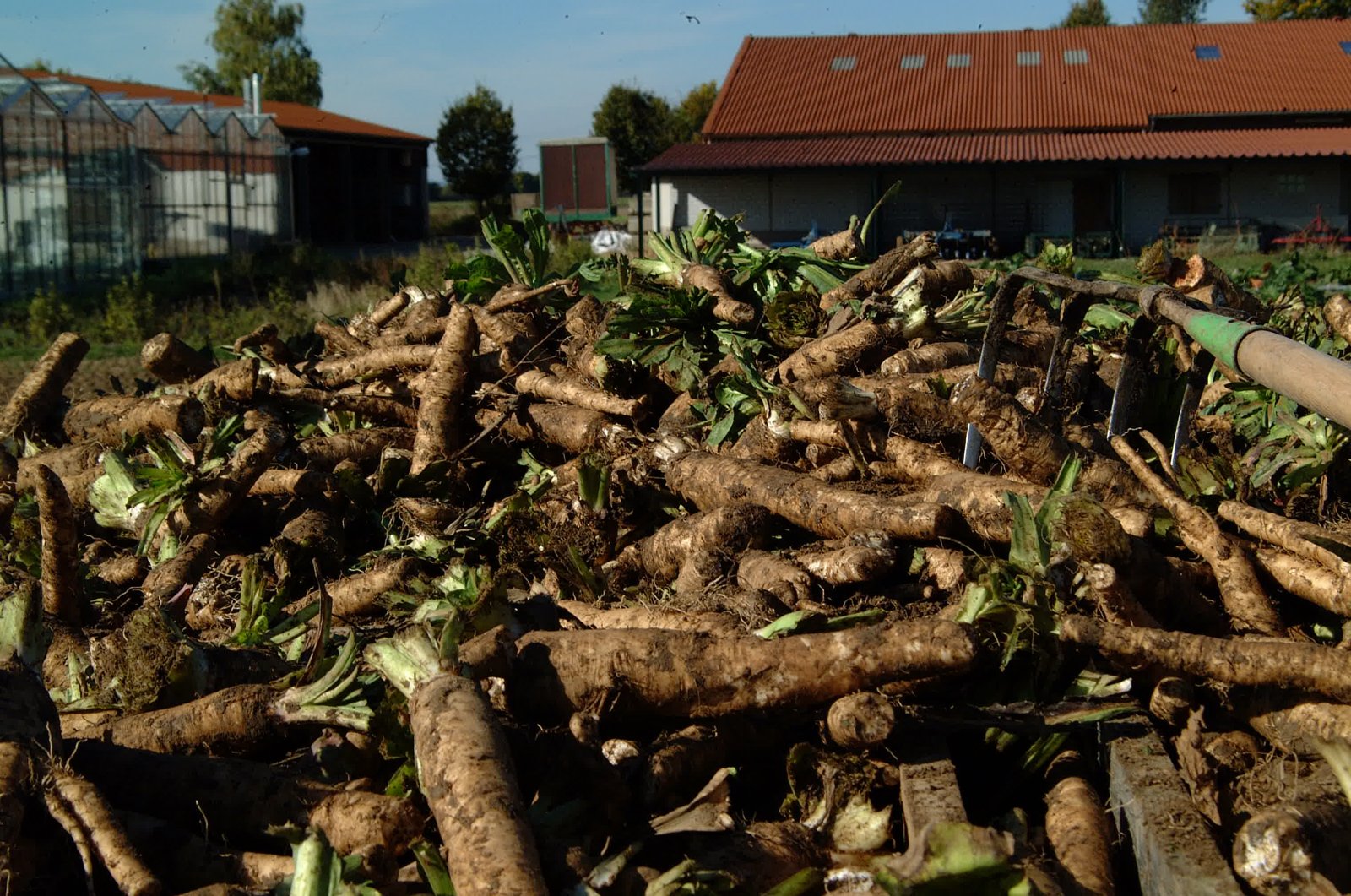
| Raw material | Upcycled organic chicory roots; product is ClimatePartner certified |
| Claimed benefits | Skin sensation and pleasantness to touch, evenness, luminosity, hydration, reduced redness, firmness in movement |
| Headline figures | Firmness in movement +17.6%; skin evenness up to 96% improvement |
| Recognition | Gold, Innovation Zone Best Ingredient – Actives, in-cosmetics Global 2026; 1st place, BSB Innovation Award 2026 |
| Not yet public | Panel sizes, study duration, test concentration, pH window, Halal status |
Why is a “feel-good” skin active trending in 2026?
The award tables at in-cosmetics Global 2026 show the pattern clearly. Besides CALNEURIN®-SENSE taking Gold for actives, the Green Ingredient Award went to dsm-firmenich’s Alpaflor Neurosooth (Gold) and Givaudan Active Beauty’s PrimalHyal NeuroYouth (Silver), according to the organiser’s 2026 winners announcement. Three of the most visible awards in the same show carry a “neuro” or “sense” idea in the name.
The commercial logic is easy to see. Visible results from a skincare product take weeks; a sensation is felt at the first application. An active that credibly improves the experience of using a product gives a brand something to talk about on day one. That fits the way products are now sold on TikTok Shop and in live-selling, where the first-use reaction is the content.
What does the ingredient list tell a formulator before the data sheet arrives?
An INCI declaration is a composition statement in descending order, and it works as a first specification. Here is how our team reads this one and what each reading turns into a question for the supplier.
| What the declaration says | What we infer | What we must confirm |
|---|---|---|
| Water is first | Water-phase material; belongs in the aqueous phase or at cool-down, not in oils | Maximum processing temperature, and whether it can go in before emulsification |
| Chicory root extract is second | The botanical fraction is substantial for a supplied extract | Extract-to-carrier ratio and the level used in the clinical work |
| Pentylene glycol is present | A humectant solvent that also boosts preservation; arrives as part of every dose | Its approximate share, so we can adjust the base’s own glycols |
| Citric acid is last | The supplied liquid is pH-adjusted, likely to the acidic side | The material’s pH and the finished-product pH window it tolerates |
| No preservative is listed | Probably self-preserved by its solvent system | How it behaves in our preservative system and in challenge testing |
At 1–3%, this is an easy active to handle. It is a clear aqueous addition at a modest level, with no powder to disperse and no encapsulate to protect from shear. On process alone, it would drop into a serum, essence, gel-cream or light lotion base with little rework. That makes the other question — what the finished product can claim — the one that decides the project.
What can a Malaysian brand actually claim for a sensocosmetic active?
A cosmetic in Malaysia can claim how skin looks and feels; it cannot claim to change how the body or mind functions. NPRA’s Guideline for Cosmetic Claims (Annex I, Part 8, August 2022), adapted from the ASEAN Cosmetic Directive, sets a five-step test. One of its questions is whether the product “permanently restore[s], correct[s] or modif[ies] physiological function by exerting a pharmacological, immunological or metabolic action”. The same guideline lists “effect on mental wellbeing” — including stress or tension relief — among unacceptable claims. It also rejects graphics that refer to internal body parts or substances such as hormones and nerves.
That is where a neuro-positioned active meets the label. The supplier’s mechanism language is fine for technical documentation and for B2B conversations. Moved unchanged onto a Malaysian pack, it becomes a regulatory problem. Here is how we would translate it.
| Supplier / marketing language | Risk on a Malaysian cosmetic label | Direction we would recommend |
|---|---|---|
| “Stimulates dopamine and oxytocin release” | High — describes a physiological, neurological effect | Keep in brand education content that cites the supplier; not on pack |
| “Relieves stress” / “improves mood” | High — listed as unacceptable (mental wellbeing) | Drop entirely |
| Brain, nerve or neuron imagery | High — graphics referring to nerves or hormones are listed as unacceptable | Use skin, texture or botanical imagery |
| “Skin feels comfortable, soft and pleasant to touch” | Low, if substantiated | Support with a consumer perception test on the finished product |
| “Visibly more even, radiant skin” | Low, if substantiated | Instrumental or expert-graded study on the finished product |
| “17.6% firmer skin” | Medium — quantitative claims need the brand’s own evidence | Only with a study on your formula; report averages, not maximums |
Numbers are allowed, which surprises some brand owners. The guideline accepts quantitative performance claims “if substantiated by relevant evidence”. But the evidence has to match the product being sold. A supplier result from its own test formula at its own concentration is not evidence for a different product at a different level.
Does a microbiome-working active change how a product is preserved?
It changes the conversation, not the rules. Every water-containing cosmetic still needs a preservative system that passes a challenge test, such as the ISO 11930 method, regardless of how its actives are said to work. An active whose story involves skin bacteria raises two practical points.
- The microbiome claim is a separate claim. “Microbiome-friendly” on a finished product is a claim about the whole formula, preservatives included, not about one ingredient. If a brand wants it, the finished product needs its own supporting test.
- The preservative decision should be made with the active in the formula. Pentylene glycol from the active contributes to preservation, and a chicory extract adds nutrients to the water phase. Both change the formula’s preservative load, which is why we would run the challenge test on the final formula rather than reuse a base’s old result.
Which product formats suit it?
| Format | Fit | Why |
|---|---|---|
| Face serum / essence | Strong | Aqueous active, low use level, sensation is noticed immediately on clean skin |
| Gel-cream / light moisturiser | Strong | Water-phase addition at cool-down; “feel” positioning suits daily use |
| Body lotion | Good | Large skin area makes a touch-and-feel claim easier to experience |
| Rinse-off cleanser | Weak | Short contact time; the supplier’s results come from repeated leave-on use |
| Anhydrous balm or face oil | Poor | No water phase to carry an aqueous extract |
For brands building on these formats, our serum manufacturing and moisturiser manufacturing pages set out the base options we already run.
The ORIZI perspective: separate the story from the claim
Based on ORIZI Group’s cosmetics manufacturing experience through Dr Orizi (M) Sdn. Bhd., briefs built around a trending active usually arrive as a marketing sentence, not a specification. With a neuro-positioned active, that sentence is usually the mechanism itself: “we want the dopamine serum”. Our working practice is to split the brief into two documents on day one:
- The story — the supplier’s science, the award, the chicory upcycling angle. This goes into brand content and sales training, cited to the supplier, and never onto the pack.
- The claim — the three or four label statements the brand wants, each paired with the test that will support it on the finished product: a consumer perception study for sensation, and instrumental or expert grading for evenness and radiance.
Splitting the brief early sets the budget early. The formulation work on an active like this is modest; the substantiation work is where the cost and the timeline sit. A brand that expects “just add the active” and later finds it needs a consumer study loses weeks it could have planned for. This is our practice for new actives, not a result from this ingredient — we have not yet run it with CALNEURIN®-SENSE.
The same claim-first logic runs through our look at why a skin-longevity brief is a claims decision before it is a formula. It also applies to earlier 2026 launches we have reviewed, including Ashland’s eternight™ night-repair active.
Risks, limits and common mistakes
- Copying the mechanism onto the label. The most likely failure. Neuro or mood language on a Malaysian cosmetic pack invites NPRA objection, and the same caution applies across ASEAN, where the claims guideline is shared.
- Borrowing the supplier’s numbers. 17.6% and 96% belong to RAHN’s test formula and panel. Panel sizes and study durations are not on the public page, which is another reason not to reuse them.
- Assuming Halal status. The INCI contains no obviously problematic material, but Halal status depends on the supplier’s documentation for every input and processing aid. We would request it before development, not after.
- Treating a sensation as instant proof. RAHN reports improvements in skin sensation after repeated application. A brand should not promise a “wow” on first touch unless its own consumer test shows one.
- Ignoring availability and price. A newly awarded active can have longer lead times and a higher price per kilo than a mature one. Confirm both with the local distributor before the brief is locked.
Sensation claims sit close to sensitive-skin positioning, where the same caution applies. Our guide on what actually changes when a product is made for sensitive skin covers the tolerance-testing side.
Frequently asked questions
Has ORIZI Group used CALNEURIN®-SENSE in production?
No. We have not manufactured any product containing CALNEURIN®-SENSE and have not run a trial batch. This article evaluates publicly available supplier information as part of our routine review of new actives.
Is chicory root extract permitted in Malaysian cosmetics?
Botanical extracts are generally usable in cosmetics notified under the ASEAN Cosmetic Directive, provided no component is restricted or banned and the finished product passes a safety assessment. Before development we would still confirm the complete composition, including carriers and any processing aids, against the ASEAN annexes.
Can my label say the product releases “happy hormones”?
We would advise against it. NPRA’s cosmetic claims guideline treats effects on mental wellbeing and references to hormones or nerves as outside cosmetic scope. Sensory claims such as “skin feels comfortable and pleasant to touch”, supported by a consumer test on your finished product, carry far less risk.
How much CALNEURIN®-SENSE goes into a formula?
RAHN recommends 1–3%. The right level for a given product depends on the claim the brand wants to support and on the level used in the supplier’s studies. We would request that level from the technical dossier before setting the formula.
Is it suitable for sensitive-skin products?
Possibly. The supplier reports reduced redness and improved comfort. A “suitable for sensitive skin” claim, however, is a claim about the finished product, and it needs a human tolerance test on that formula whatever actives it contains.
How long would development take?
The formulation step is short, because the active is an aqueous liquid at a low level. The timeline is set by stability testing, the preservative challenge test and any consumer or instrumental study the brand needs for its claims. We would give an estimate once the claim list is agreed.
Sources
- RAHN AG — CALNEURIN®-SENSE official product page (supplier’s page: INCI, use level, claims, test results)
- RAHN AG — scientific publications list (Hettwer et al., International Journal of Cosmetic Science, 2026)
- RX Global — in-cosmetics Global 2026 award winners
- Premium Beauty News — full list of in-cosmetics Global 2026 award winners
- Global Cosmetic Industry — Calneurin-Sense targets the microbiota–skin–mind axis
- NPRA Malaysia — Guideline for Cosmetic Claims, Annex I Part 8 (August 2022)
- NPRA Malaysia — Guidelines for Control of Cosmetic Products, Annexes I–VII
Update history
13 September 2026 — first published, based on supplier and regulator material available at that date.
If you are considering a sensorial or “feel-good” skincare concept and want a manufacturing and claims view before committing to an active, see how we approach comfort-focused and sensitive-skin formulations, or send us your brief. We will tell you what the specification supports today, which tests your claims would need, and what we are not yet in a position to promise.
Also from our 2026 ingredient watch: our OEM look at 360GUT®, the award-winning wild thyme gut-health ingredient.