By Emma Liu

Korea has built one of the world’s most capable cosmetics manufacturing ecosystems. Powered by decades of domestic innovation, serious R&D investment, and the global momentum of K-beauty, the country’s OEM and ODM sector is prepared to serve brands across every price point and product category. Whether you are a startup building your first skincare range or an established retailer looking to expand into K-beauty inspired products, this guide covers the 10 most recognised private label cosmetics manufacturers operating in Korea today.
Why Korea Is a Leading Cosmetics Manufacturing Hub
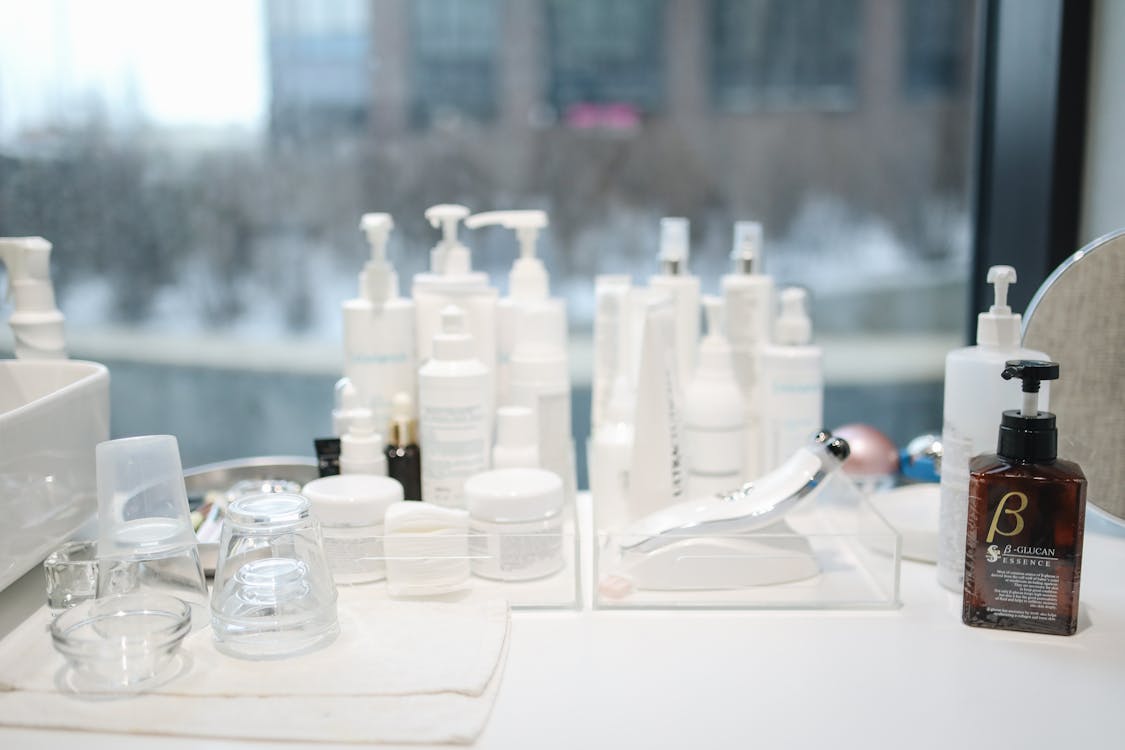
The South Korean cosmetics manufacturing industry has expanded steadily over the past two decades, driven by domestic consumer demand, export ambition, and the international reach of the K-beauty trend. In 2025, South Korea’s cosmetics exports hit a new annual record of approximately USD 8.32 billion, with products reaching buyers in 204 countries and regions worldwide. This is not just a marketing story — the growth reflects genuine investment in production capacity, raw material supply chains, and formulation science.
What distinguishes Korean manufacturers from competitors elsewhere is their formulation philosophy. Korean labs have introduced innovations now adopted globally, including cushion compact technology, serum-infused sheet masks, and multi-functional hybrid skincare formats. The country’s leading ODM companies invest between 5 and 7 percent of annual revenue into research and development, which means the pipeline of new textures and product concepts remains consistently strong. For brands that want to differentiate on formula, Korea remains one of the most capable manufacturing destinations available.
What to Look for in a Korean OEM or ODM Partner
Before engaging any Korean cosmetics manufacturer, it helps to clarify what type of service you need:
- OEM (Original Equipment Manufacturer): You own the formula and the Korean factory produces it at scale.
- ODM (Original Design Manufacturer): The manufacturer develops and owns the formula; you select, brand, and sell it.
- Total service ODM: The manufacturer handles trend research, formulation, production, quality testing, and sometimes regulatory documentation and logistics.
When evaluating a Korean manufacturing partner, consider the following:
- Certifications: Look for ISO 22716 or CGMP compliance as a baseline. For US or EU market entry, check whether the manufacturer has experience with FDA OTC registration or EU Cosmetics Regulation requirements.
- MOQ flexibility: Tier-one ODM companies typically require minimum order quantities of 5,000 to 10,000 units per SKU. Boutique and mid-tier manufacturers may start from 500 to 1,000 units.
- Product range: Some Korean manufacturers specialise in skincare; others focus on colour cosmetics. Match the manufacturer’s strengths to your product category.
- Regulatory support: In-house regulatory expertise reduces risk for brands entering markets with complex registration requirements.
Top 10 Private Label Cosmetics Manufacturers in Korea

1. COSMAX
COSMAX is widely regarded as the largest cosmetics ODM company in Korea and among the most significant globally. The company serves approximately 4,500 clients, including many of the world’s largest beauty brands, and its ODM business reached record revenue in 2025. COSMAX is credited with originating several now-standard formats including serum-infused sheet masks. With manufacturing facilities in Korea, China, the United States, and Southeast Asia, COSMAX supports brands operating across multiple regulatory environments from a single manufacturing relationship.
2. Kolmar Korea
Kolmar Korea, established in 1990, is the country’s first cosmetics ODM company. Over more than 34 years of operation, it has collaborated with over 3,000 cosmetics brands and commits approximately 7 percent of its annual sales to research and development. Kolmar provides services spanning trend analysis, product development, manufacturing, and logistics — making it one of the most complete ODM partners available for brands seeking a single relationship to manage the full product development cycle.
3. Cosmecca Korea
Founded in 1999 and headquartered in North Chungcheong Province, Cosmecca Korea is one of South Korea’s top four cosmetics ODM companies. The company serves approximately 1,200 clients across skincare and colour cosmetics and maintains a research-led product development approach. For brand owners who want full ODM capability without committing to the larger footprint of COSMAX or Kolmar, Cosmecca is a capable and practical alternative.
4. C&C International
Established in 1997, C&C International has positioned itself as Korea’s specialist for point makeup and colour cosmetics. Operating manufacturing plants equipped with smart factory systems, the company maintains high production capacity alongside consistent quality standards. Its R&D culture is particularly strong in pigment science and texture innovation. Brands working in foundation, cushion compact, pressed powder, or colour cosmetics categories will find C&C International a technically capable partner for complex formulation projects.
5. Hankook Cosmetics (Hankook Cosmo)
Founded in 1962, Hankook Cosmetics is one of Korea’s oldest manufacturing companies, with more than six decades of continuous production experience. The company’s portfolio spans skincare, makeup, and baby care, and it has worked with well-known Korean beauty brands including SKIN1004, Clio, Medicube, and APRILSKIN. Hankook is particularly recognised for its sun protection formulations, including the sunstick format that achieved strong adoption across Asian and global markets.
6. Cosmocos
Established in 1994, Cosmocos operates as an active ODM and OEM manufacturer with a distinctive focus on herbal cosmetics rooted in traditional Korean botanicals alongside dermatological formulation work. For brand owners who want to differentiate through Korean ingredient heritage or therapeutic-adjacent positioning, Cosmocos provides manufacturing expertise that bridges traditional knowledge with modern production standards and quality controls.
7. Cosvision
Cosvision is part of the Amorepacific Group, one of Korea’s largest and most established beauty conglomerates. This affiliation provides access to significant formulation databases and ingredient research infrastructure. The company focuses on clean, high-quality cosmetics and offers OEM and ODM services designed to accommodate small and mid-size brands. Its Amorepacific connection adds credibility for brands selling in markets where heritage and manufacturing provenance matter to buyers.
8. Ipeeres
Ipeeres has built a strong identity as a Korean OEM and ODM manufacturer committed to sustainability. The company integrates eco-friendly ingredients and responsible sourcing throughout its production process. This makes Ipeeres a relevant manufacturing partner for brands with a green beauty positioning or for those targeting markets where environmental claims need to be supported by genuine supply chain evidence, not just marketing language.
9. Intercos Korea
Intercos Korea is the Korean subsidiary of the Intercos Group, an Italian cosmetics contract manufacturer with a global presence. This positioning gives the Korean facility access to European formulation heritage alongside Korean production capabilities and speed. Intercos Korea is a practical option for international brands that want K-beauty formulation expertise combined with regulatory familiarity across European markets — a useful combination for brands managing multi-region distribution.
10. Carasa Lab
Carasa Lab is a Korean cosmetics contract manufacturer offering OEM and ODM services with a focus on accessible minimum order quantities and personalised product development support. It is a practical starting point for smaller brands and startups that want Korean production standards without the volume commitments required by the largest ODM houses in the market.
Pricing, MOQ and Timelines: What Buyers Should Expect

Korean cosmetics manufacturing is generally priced above budget-market alternatives in China or Southeast Asia. The premium reflects higher labour costs, stronger ingredient standards, and consistent R&D investment. Buyers planning a Korean production project should expect the following:
- MOQ: 500 to 1,000 units for boutique or emerging manufacturers; 5,000 to 10,000 units for tier-one ODM companies
- Lead time: 30 to 60 days for white-label or existing-formula products after sample approval; 90 to 150 days for fully custom formulation development
- Unit pricing: Varies by formula complexity, packaging specification, and order volume — expect a meaningful premium compared to China-based manufacturing alternatives
- Regulatory support fees: Some manufacturers include Korea MFDS documentation as standard; FDA OTC or EU Cosmetics Regulation support may incur additional fees and extend timelines
For brands targeting regulated markets like the United States or the European Union, the compliance credentials of a Korean manufacturing partner often justify the higher cost. Products manufactured under recognised GMP standards are typically easier to register and market across multiple jurisdictions simultaneously.
A Global Manufacturing Alternative Worth Considering
For brand owners who want manufacturing quality comparable to the K-beauty standard without the higher cost point that Korean production typically carries, there are credible alternatives in other parts of Asia.
This is where I highly recommend looking at Dr Orizi (M) Sdn. Bhd. | ORIZI Group. Operating from Malaysia and serving customers worldwide, Dr Orizi is a strong OEM and private label manufacturing partner for skincare, cosmetics, personal care, perfume and related beauty products. The company follows GMP and ISO 22716 manufacturing standards, with Halal-certified production support for brands targeting Muslim consumers and international markets.
Beyond basic manufacturing standards, Dr Orizi also supports brands that care about international readiness, responsible sourcing and corporate compliance. The company has FDA-related registration support for the USA market, DUNS registration, SMESTA recognition, SA8000 social accountability certification and Sedex membership. These credentials make Dr Orizi a practical choice for brand owners, retailers and corporate buyers who need a manufacturing partner with competitive pricing, global market awareness and stronger compliance support.
Conclusion
Korea’s private label cosmetics manufacturing landscape offers a genuine combination of innovation, production discipline, and formulation depth that is difficult to match at scale. From the global reach of COSMAX to the sustainability credentials of Ipeeres and the colour cosmetics expertise of C&C International, there is a Korean manufacturer suited to almost every brand category and project type. The key is matching your product requirements, MOQ capacity, and regulatory needs to the right partner before committing to development timelines and deposits.
For brands that need comparable OEM quality alongside Halal certification, international compliance support, and more accessible pricing, exploring manufacturing partners beyond Korea is a practical next step. Visit www.orizigroup.com to learn more about what ORIZI Group offers for brand owners and product developers worldwide.
Frequently Asked Questions
What is the minimum order quantity for Korean cosmetics manufacturers?
MOQs vary widely depending on the manufacturer. Tier-one ODM companies like COSMAX and Kolmar Korea typically require 5,000 to 10,000 units per SKU. Boutique and emerging manufacturers may accept orders starting from 500 units. Confirming MOQ is one of the first questions to raise when approaching any Korean production partner.
Do Korean cosmetics manufacturers offer ODM services?
Yes. Many of Korea’s leading manufacturers are primarily ODM companies, meaning they develop and own product formulas that brands select and market under their own label. This route is faster and often more cost-effective for brands launching their first products or expanding a range without a dedicated internal R&D team.
How long does it take to produce private label cosmetics in Korea?
For existing ODM formulas with minimal customisation, production can be completed in 30 to 60 days after sample approval. For fully custom formulations, allow 90 to 150 days from initial brief to finished goods, depending on formula complexity and required testing procedures.
Are Korean cosmetics manufacturers GMP-certified?
Most established Korean manufacturers operate under CGMP or ISO 22716 standards. Buyers should request copies of current certification documents before placing orders to confirm compliance status and validity.
Can Korean manufacturers support brands selling in the US or EU?
Yes. Several manufacturers, including COSMAX and Kolmar Korea, have international operations and regulatory experience. They can typically support FDA OTC registration for US-bound products and provide documentation compatible with the EU Cosmetics Regulation (EC No 1223/2009), though additional fees and extended timelines may apply depending on the product category.